
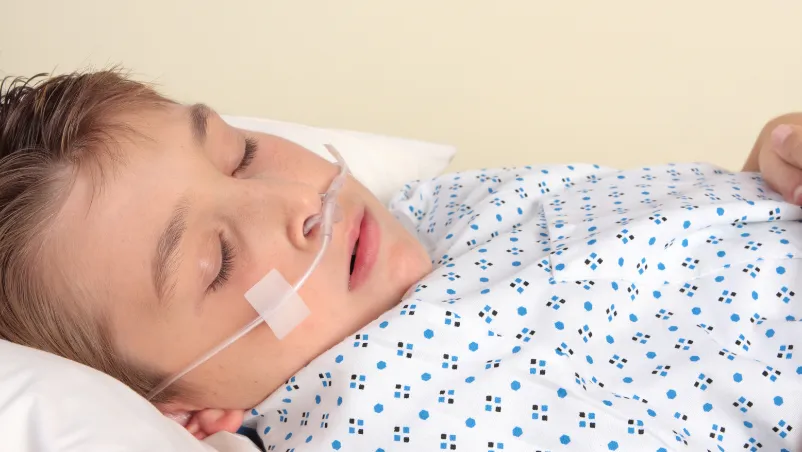
You may be breathing normally, speaking comfortably and still have less oxygen in your blood than your body needs.
This is known as silent hypoxia symptoms when discussing the warning signs of this condition, and it can occur without obvious breathing difficulty.
Shenoy Hospitals in Secunderabad recognises the importance of understanding oxygen levels, recognising warning signs and seeking appropriate medical assessment.
Key Takeaways
- Silent hypoxia can cause low blood oxygen without noticeable breathlessness.
- Respiratory infections and certain lung or heart conditions can reduce oxygen levels.
- A pulse oximeter can help detect low oxygen, but its readings aren’t always accurate.
- Confusion, bluish lips, chest pain or a concerning oxygen reading need prompt attention.
- Treatment depends on the underlying cause and may include medical oxygen.
- Normal breathing does not always mean your oxygen level is normal.
Why Shenoy Hospitals
1963
Established Since 1963
Oldest nursing home
in Secunderabad
¼ Cost
corporate hospital bills
1L+
Babies Delivered
Successfully delivered
over 1 lakh babies
What is silent hypoxia?
Silent hypoxia is a condition in which oxygen levels are abnormally low despite little or no noticeable shortness of breath. It is also sometimes called happy hypoxia, although this term doesn’t mean the condition is harmless.
To understand it, you need to know the difference between two medical terms:
- Hypoxaemia means there is less oxygen than expected in the blood.
- Hypoxia means the body’s tissues and organs aren’t receiving enough oxygen for their needs.
Your lungs transfer oxygen into your bloodstream, and your blood carries it to your brain, heart, muscles and other organs. When this process is impaired, oxygen levels can fall even if you don’t feel that your breathing has changed.
Silent hypoxia became widely recognised during the COVID-19 pandemic, when some people developed low oxygen levels without obvious respiratory distress. It can also occur in other medical conditions.
Why can oxygen levels fall without shortness of breath?
Your awareness of breathing doesn’t always match the oxygen level measured in your blood. Breathlessness is influenced by several factors, including breathing effort, lung function, carbon dioxide levels and how your nervous system responds to changes in your body.
When oxygen transfer in the lungs becomes impaired, your body may not produce an immediate or strong sensation of breathlessness. The reasons vary between patients, and researchers continue to study the mechanisms involved, particularly in severe respiratory infections.
This explains why low oxygen levels without shortness of breath can occur. You might be able to speak in complete sentences and feel relatively comfortable while your oxygen level is lower than expected.
Feeling comfortable isn’t a reliable way to rule out low oxygen. If you have a respiratory infection or have been advised to monitor your oxygen levels, follow your clinician’s instructions even when you feel well.
What conditions can cause silent hypoxia?
Several lung and heart conditions can reduce oxygen levels without causing obvious breathlessness at first. A respiratory specialist assesses the possible cause rather than treating the oxygen reading in isolation.
Common causes and related conditions include:
- Pneumonia: Inflammation and fluid in the lung’s air sacs can interfere with oxygen transfer, and our guide to why you can still feel exhausted weeks after pneumonia covers what recovery looks like.
- COVID-19 and other respiratory infections: Some infections can impair oxygen exchange before noticeable breathing difficulty develops, and our guide to whether long COVID can damage your lungs permanently explains the lasting effects.
- Chronic obstructive pulmonary disease (COPD): Long-term lung damage can affect how effectively oxygen enters the blood, and our COPD treatment guide explains stages, inhalers and oxygen therapy.
- Asthma and other lung disorders: Severe or worsening airway problems may interfere with normal oxygenation.
- Heart and circulation problems: Certain conditions can affect how oxygenated blood reaches the body’s tissues.
- Other medical conditions: Sleep-related breathing disorders and some blood or lung conditions may also contribute to low oxygen.
These are possible silent hypoxia causes, not proof that a person has the condition. The risk depends on the underlying illness, its severity and the individual’s health.
What symptoms can occur if you don’t feel breathless?
Silent hypoxia may cause subtle symptoms, or there may be no obvious symptoms at first. This makes it important to consider changes in your overall health, particularly when you have an infection or an existing heart or lung condition.
Possible warning signs include:
- Unusual tiredness or weakness.
- A fast heartbeat or faster breathing than usual.
- Headache, restlessness or difficulty concentrating.
- New confusion, drowsiness or a change in alertness.
- Bluish or greyish lips, skin or nails.
- Chest discomfort or worsening cough.
Some of these symptoms can occur for many reasons, so they don’t confirm low oxygen on their own. However, sudden confusion, blue or grey lips, chest pain or severe breathing difficulty require emergency medical assessment, even if you don’t feel breathless.
How is silent hypoxia detected and diagnosed?
Doctors use oxygen measurements, a clinical examination and appropriate investigations to identify low oxygen and determine its cause. Symptoms alone are not enough to confirm or exclude the condition.
A common first test is pulse oximetry. A small device clipped to your finger estimates your blood oxygen saturation, usually displayed as SpO₂.
For many healthy adults, a reading of 95% to 100% is typical at sea level. Your expected level may differ if you have a chronic medical condition or live at altitude, so interpret results according to your clinician’s advice.
A pulse oximeter reading can be affected by cold fingers, poor circulation, movement, nail polish and skin pigmentation. The U.S. FDA notes accuracy differences in pulse oximeter performance between lighter and darker skin pigmentation, and many over-the-counter and wellness devices haven’t been evaluated for clinical decisions. A reassuring reading should not override concerning symptoms.
Depending on the situation, a doctor may recommend:
- A physical examination and assessment of your breathing, pulse and other vital signs.
- An arterial blood gas test, which measures oxygen and carbon dioxide in a blood sample from an artery.
- Chest X-rays or other imaging to investigate lung problems.
- Blood tests or lung function tests to help identify the underlying condition.
Not everyone needs every test. The choice depends on the examination, symptoms and initial results.
What should you do if your oxygen level is low?
Seek urgent medical advice if your oxygen reading is unexpectedly low, even if you can breathe normally. Don’t wait for breathlessness to develop before responding to a concerning result.
If you use a home oximeter and the reading seems unusual, sit still, warm your hand, remove nail polish if present and repeat the measurement according to the device instructions. Record the result and follow any monitoring plan provided by your clinician.
For many adults, a persistent reading of 92% or lower at sea level warrants urgent medical assessment, unless an individual clinician has provided a different target. A reading below 90% is particularly concerning. If the reading is severely low, you have warning signs or your condition is worsening, seek emergency care rather than repeatedly checking the device.
When considering when should I go to hospital for low oxygen levels, remember that symptoms and your medical history matter as much as a single number. Do not drive yourself if you are seriously unwell.
How is silent hypoxia treated, and can it be prevented?
Treatment depends on why the oxygen level has fallen and how severe the problem is. The goal is to restore adequate oxygen delivery while treating the underlying condition.
Treatment may include:
- Supplemental oxygen when clinically indicated.
- Medication or other treatment for the underlying infection, airway problem or heart condition.
- Hospital monitoring when oxygen levels or the overall clinical condition require closer observation.
- Breathing support in severe cases when simpler measures aren’t enough.
Oxygen therapy isn’t necessary for every person with a respiratory illness, and the correct amount should be determined by a healthcare professional.
You can reduce some risks by following prescribed treatment for chronic lung or heart conditions, avoiding smoking, keeping recommended vaccinations up to date and seeking advice when respiratory symptoms worsen.
If your clinician asks you to monitor oxygen at home, learn how to check oxygen levels at home correctly and follow the recommended frequency. Don’t start oxygen therapy or change prescribed oxygen settings without medical guidance.
How can low oxygen affect everyday life and recovery?
Recovery depends on the cause, the severity of low oxygen and your overall health. Some people improve as the underlying illness resolves, while others need further monitoring or treatment for an ongoing condition.
During recovery, follow your clinician’s advice about activity, medicines and follow-up appointments. Don’t push through worsening fatigue, dizziness, chest discomfort or unusual breathing changes.
It is understandable to feel anxious when an oxygen reading doesn’t match how you feel. Keep a record of readings if recommended, ask your doctor what range is appropriate for you and make sure you know which symptoms require urgent attention.
Avoid comparing your readings directly with someone else’s. Your oxygen target and treatment plan should reflect your medical condition and clinical assessment.
If you need an assessment for respiratory symptoms or concerns about oxygen levels, our Pulmonology Department at Shenoy Hospitals, Secunderabad offers pulmonary function testing and guidance on oxygen therapy, and our emergency department is open 24/7 for urgent breathing difficulty.
Final Thoughts
You don’t always have to feel short of breath for your oxygen level to be low. Understanding this helps you recognise why measurements, symptoms and medical assessment need to be considered together.
If you have a concerning reading or new warning signs, seek appropriate medical advice rather than relying on how well you feel.
Frequently Asked Questions
- Can oxygen levels be low even if I can breathe normally?
Yes, oxygen levels can fall without obvious breathlessness. This can happen in some respiratory illnesses and other medical conditions, so a lack of breathing difficulty doesn’t rule out a problem.
- Can a pulse oximeter give a false reading?
Yes, a pulse oximeter can underestimate or overestimate oxygen saturation. Cold fingers, movement, poor circulation, nail polish and skin pigmentation can affect accuracy, so readings must be interpreted alongside symptoms and medical advice.
- Does silent hypoxia happen only with COVID-19?
No, it was widely recognised during COVID-19, but low oxygen without noticeable breathlessness may occur with other lung or heart conditions. The underlying cause needs to be assessed individually.
- Can silent hypoxia happen while I am sleeping?
Low oxygen can occur during sleep, particularly with conditions such as obstructive sleep apnoea or certain lung and heart disorders. A clinician may recommend overnight oxygen monitoring or a sleep study when appropriate.
- Can young and otherwise healthy people develop silent hypoxia?
Yes, it is possible, particularly during certain acute illnesses. Age and general fitness alone cannot rule out low oxygen levels.
- Can I tell if my oxygen is low by looking at my lips or nails?
No, colour changes are not a reliable screening method because they may be absent or difficult to notice. Use medical assessment and appropriate oxygen measurements when indicated.
- Can a smartwatch or mobile phone accurately check my oxygen level?
Not necessarily. Consumer devices may not provide readings suitable for medical decisions, so follow your clinician’s advice about appropriate monitoring equipment.
- Should I exercise if my oxygen level is low but I feel fine?
Don’t begin strenuous exercise to test your oxygen level when a reading is low or concerning. Seek medical advice first, as the safe level of activity depends on the cause and severity.
- Can silent hypoxia cause lasting damage?
Severe or prolonged oxygen deficiency can damage organs, including the brain and heart. The risk depends on how low the oxygen level falls, how long it remains low and how quickly the underlying problem is treated.
- Can breathing exercises increase oxygen levels in silent hypoxia?
Breathing exercises are not a reliable substitute for medical assessment or treatment when oxygen levels are low. Their usefulness depends on the underlying condition, so follow a clinician’s recommendations.
Medical Disclosure
This article is for general educational purposes only. It does not replace an individual medical consultation, physical examination, diagnosis or personalised treatment plan.
Get in touch

Shenoy Hospitals Clinical Content Team
Shenoy Hospitals, Secunderabad. Our content team prepares and review by specialist Team.
CALL US FOR ANY HELP
GET IN TOUCH ON