
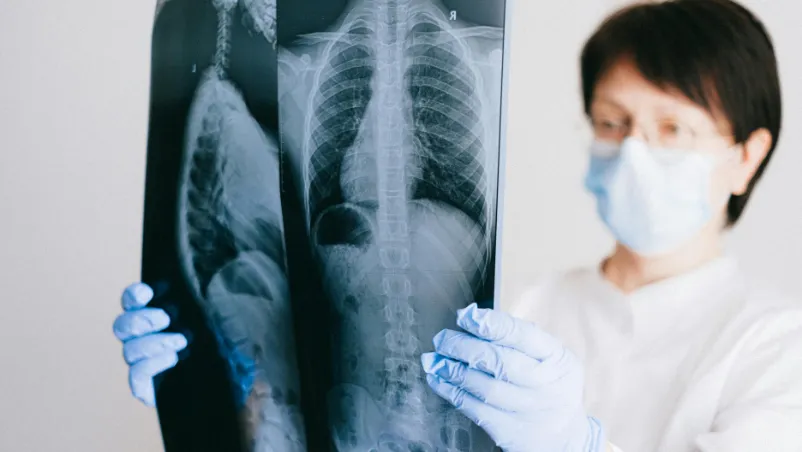
You had COVID years ago, recovered, and moved on, but the breathlessness never fully left.
Yes, COVID-19 can leave lasting lung damage in some people, including scarring that shows up on scans, but this outcome is not universal, and most patients see real improvement over time with the right care.
At Shenoy Hospitals, a multi-specialty hospital in Secunderabad with a dedicated Department of Pulmonology, we still see patients years after their original infection asking whether their lingering breathlessness means their lungs were permanently harmed.
Key Takeaways:
- What actually happens inside your lungs during and after a COVID infection
- Whether you needed to be severely ill for lasting damage to occur
- How doctors distinguish real lung damage from other causes of breathlessness
- What treatment and recovery genuinely look like
- Whether breathlessness years later still means active lung damage
Why Shenoy Hospitals
1963
Established Since 1963
Oldest nursing home
in Secunderabad
¼ Cost
corporate hospital bills
1L+
Babies Delivered
Successfully delivered
over 1 lakh babies
Can Long COVID Actually Leave Permanent Lung Damage?
Yes, in some people COVID-19 causes lung scarring that can be long-lasting, but this is not the outcome for most patients, and many recover fully or nearly fully.
- Scarring Is a Real, Documented Outcome
Chest scans in some long COVID patients show pulmonary fibrosis — permanent scarring of lung tissue — which can limit how well the lungs expand and exchange oxygen.
- It’s Not the Default Outcome
Most people who had COVID, including many with persistent symptoms, do not develop permanent scarring; inflammation and lung changes in the first weeks often resolve rather than becoming fixed damage.
- Why This Distinction Matters to You
Knowing which category you’re in changes everything about your treatment plan, which is exactly why proper testing matters more than assuming the worst.
What Actually Happens Inside the Lungs During and After COVID?
COVID triggers inflammation in the lungs, and in some people, that inflammation may persist & lead to the lung scarring.
- The Inflammation Response
Your immune system fights the virus in your lung tissue, but in some cases, this response overreacts and damages the delicate air sacs (alveoli) that normally handle oxygen exchange.
- When Healing Goes Wrong
Instead of the injured tissue healing back to normal, it can be replaced with fibrotic (scarred) tissue — this is the biological process behind lasting lung damage.
- Why Some People Scar and Others Don’t
Severity of the original infection, underlying lung conditions, and individual immune response all influence whether scarring develops. Researchers are still studying exactly why some patients’ lungs don’t fully repair themselves.
Do You Need to Have Been Severely Ill for This to Happen?
No. While severe or hospitalized COVID cases carry higher risk, even mild infections can leave lingering breathlessness in some people.
- The Assumption Most Patients Make
Many people assume that because they weren’t hospitalized, their lungs are automatically fine. This assumption isn’t always correct, and mild cases have also been linked to persistent breathlessness on exertion.
- Who Carries Higher Risk
Patients who needed oxygen support, were in intensive care, or had pre-existing lung conditions like COPD or asthma carry a higher chance of lasting changes.
- The 2026 Question Nobody Else Answers
If you had COVID years ago and are only now developing or still experiencing breathlessness, it’s reasonable to get it evaluated rather than assume it’s automatically the virus, as years-later symptoms need a fresh look since other causes may now be more likely than the original infection.
How Do Doctors Actually Check If Your Lungs Were Damaged?
Doctors combine imaging, breathing tests, and your history to tell whether breathlessness comes from real lung damage or another cause entirely.
- Chest Imaging
A CT scan (HRCT) shows scarring or ongoing inflammation with far more detail than a standard chest X-ray, making it the most reliable imaging tool for this question.
Post-COVID conditions, including lingering respiratory symptoms, are recognized and tracked by the CDC as a distinct clinical entity requiring proper evaluation rather than assumption.
- Breathing Tests
A pulmonary function tests (PFT) like spirometry and DICO measures how well your lungs move air and exchange oxygen, directly showing whether lung capacity has genuinely been reduced.
- Ruling Out Other Causes
Anemia, deconditioning after prolonged illness, and anxiety can all cause breathlessness that looks similar to lung damage on the surface, which is exactly why testing, not assumption, is what settles the question.
What Treatment Options Exist for Post-COVID Lung Damage?
Treatment depends entirely on what testing actually finds, from breathing rehabilitation to medication that addresses ongoing inflammation.
- Pulmonary Rehabilitation
A structured program of breathing exercises and graded physical activity meaningfully improves lung capacity and exercise tolerance over weeks to months, even in patients with confirmed scarring.
- Medication for Ongoing Inflammation
Where active inflammation is still present rather than fixed scarring, anti-inflammatory treatment can help prevent further damage from developing.
- Managing Symptoms Alongside Treatment
Breathing techniques, paced activity, and treating any underlying conditions like asthma together support faster, steadier improvement.
If breathlessness has lingered since your COVID infection, whether that was recent or years ago, our pulmonology team at Shenoy Hospitals in Secunderabad can arrange the right combination of imaging and breathing tests to find out exactly what’s behind it and build a treatment plan around the actual cause.
What Does Recovery Actually Look Like, and How Long Does It Take?
Most people see steady improvement over months, and even those with some scarring often regain significant lung function over time.
- The General Timeline
Lung function commonly continues improving for up to a year after infection, with the fastest gains typically in the first few months of active rehabilitation.
- When Scarring Is Confirmed
Even with some permanent scarring, most patients still see meaningful functional improvement through rehabilitation; full scarring doesn’t always mean permanently reduced quality of life.
- Why Patience and Consistency Matter
Recovery isn’t a straight line. Plateaus are normal, and sticking with a rehabilitation plan through them is what produces the best long-term outcome.
How Does Ongoing Breathlessness Affect Daily Life and Peace of Mind?
Persistent breathlessness after COVID affects far more than exercise tolerance: it shapes confidence, work capacity, and peace of mind.
- The Fear of “Did I Damage Myself Permanently”
This worry is common and valid. Wanting a clear answer about your lungs, rather than living with uncertainty, is a reasonable thing to pursue, not an overreaction.
- The Frustration of Invisible Illness
Because post-COVID breathlessness often doesn’t show up in casual conversation or a quick glance, patients sometimes feel their fatigue and breathlessness aren’t taken seriously by people around them.
- It’s Fair to Push for Testing
If your breathlessness hasn’t been properly investigated with imaging or breathing tests, asking for it directly is entirely reasonable.
Can Long-Term Lung Damage Be Prevented or Reduced?
Yes. Early evaluation and rehabilitation reduce the chance of lasting impact, even if some initial lung changes occurred.
- Don’t Wait to Get Breathlessness Checked
Earlier evaluation allows earlier rehabilitation, which generally produces better outcomes than waiting months or years to investigate.
- Vaccination’s Role
Staying current with COVID vaccination reduces the severity of future infections, which in turn lowers the risk of lung complications from reinfection.
- Building Respiratory Reserve
General cardiovascular fitness and not smoking both support better lung resilience, whether or not you’ve had COVID.
Final Thoughts
COVID-19 can leave lasting lung changes in some people, but this isn’t the default outcome, and breathlessness (whether recent or lingering from years ago) deserves a proper look rather than an assumption either way. With the right imaging, breathing tests, and rehabilitation, most patients see real, measurable improvement over time.
Frequently Asked Questions
Does post-COVID lung damage always show up on a regular chest X-ray?
Not always: a standard chest X-ray can miss subtle changes that a detailed CT scan (HRCT) would catch, which is why imaging choice matters.
Can lung damage from COVID heal completely over time?
Yes, in many cases lung function continues improving for up to a year and can return close to normal, though some patients retain mild, stable changes.
Is it normal to still feel breathless years after having COVID?
It’s not unusual to have lingering symptoms, but breathlessness that persists for years should be evaluated rather than assumed to still be from the original infection, since other causes may now be involved.
Can reinfection with COVID make existing lung damage worse?
Yes, repeated infections can add further strain to lungs that are already recovering, which is one reason staying current with vaccination is recommended.
Is a persistent cough after COVID a sign of lung scarring?
Not necessarily. A lingering cough is common after any respiratory infection and doesn’t automatically indicate scarring; proper testing is needed to tell the difference.
Can children develop lasting lung damage from COVID?
This appears to be far less common in children than in adults, though any persistent breathing symptoms in a child should still be evaluated.
Does pulmonary rehabilitation help even if scarring is confirmed on a scan?
Yes, rehabilitation can meaningfully improve breathing capacity and stamina even when some scarring is present, since it strengthens the lung function you still have.
Can stress or anxiety alone explain breathlessness after COVID, without any lung damage?
Yes, anxiety and deconditioning can both cause real breathlessness that mimics lung damage, which is why testing helps clarify the actual cause rather than assuming the worst.
Is oxygen therapy needed for post-COVID lung damage?
Only in more significant cases where blood oxygen levels are measurably low; many patients with mild to moderate changes do not require ongoing oxygen support.
Should I get a lung scan even if my original COVID case was mild?
If you have ongoing breathlessness or reduced exercise tolerance, yes — a mild original infection doesn’t rule out lingering effects worth investigating.
Frequently Asked Questions
Can breathlessness on stairs be caused by low hemoglobin even if I feel otherwise fine?
Yes. Anemia can cause breathlessness on exertion well before you notice any other symptoms, which is why a simple blood test is often checked early.
Why do I get breathless faster than people my age who climb the same stairs?
This usually comes down to differences in fitness level, weight, hemoglobin, or early heart or lung conditions. A doctor can help identify which applies to you.
Does breathlessness on stairs always mean a heart problem?
No. Fitness level, weight, anemia, and lung conditions are all common causes; heart problems are one possibility among several, which is why testing matters more than guessing.
Can anxiety alone cause breathlessness while climbing stairs?
Yes. Anxiety can genuinely cause physical breathlessness during exertion, though this is usually confirmed only after other causes are ruled out.
Is breathlessness on stairs more common in hot, humid weather like Hyderabad summers?
Yes. Heat and humidity increase the effort your body needs for the same activity, though this should ease once the weather cools, unlike a medical cause.
Should I stop exercising completely if I notice breathlessness on stairs?
No. Stopping entirely isn’t usually the right approach; get evaluated first, since the right activity level depends on the actual cause.
Can being overweight alone explain significant breathlessness on stairs?
Yes. Extra weight increases the effort needed for the same climb, but it’s still worth ruling out heart, lung, or blood causes alongside weight management.
How quickly should I see a doctor if breathlessness on stairs is new for me?
See a doctor within a couple of weeks for new or worsening breathlessness, and immediately if it comes with chest pain, fainting, or swelling.
Can breathlessness improve just from climbing stairs more often as practice?
Yes, if the cause is deconditioning. Your body does adapt with regular practice, but this should only be your approach after medical causes are ruled out first.
Is it normal for breathlessness to get worse over several months without any other symptoms?
No. A steadily worsening pattern, even without other symptoms, is exactly the kind of change that warrants a proper evaluation rather than watching and waiting.
Medical Disclaimer:
Content regarding Long COVID, pulmonary fibrosis, post-viral lung damage, and diagnostic testing is for educational purposes only and not a substitute for clinical advice. Always consult a qualified pulmonologist for accurate lung function evaluation and personalized care before beginning any post-COVID recovery regimen.