
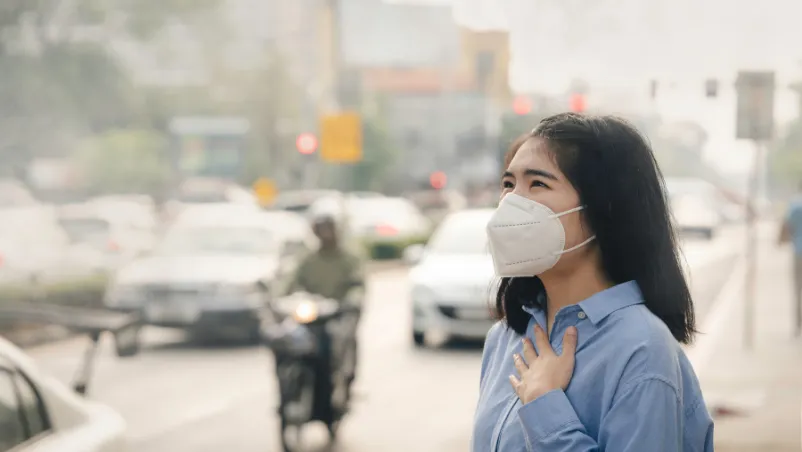
The recurring cough, wheezing, or tightness in your chest each winter may be more than a reaction to cold weather.
Winter breathing problems Hyderabad residents experience can be linked to cold, dry air, air pollution, respiratory infections, or an existing lung condition.
At Shenoy Hospitals in Secunderabad, the Pulmonology department is the relevant specialty for assessing persistent or recurring breathing difficulties and identifying the cause.
Key Takeaways
- Cold, dry air and winter pollution can irritate sensitive airways and worsen existing respiratory symptoms.
- Asthma, COPD, allergies, and respiratory infections can cause similar symptoms but may need different treatment.
- Checking the Air Quality Index (AQI), reducing exposure to smoke and dust, and following prescribed treatment can help manage symptoms.
- Recurring cough, wheezing, or breathlessness should not automatically be dismissed as a normal winter problem.
- A doctor may recommend lung function tests or other investigations depending on your symptoms.
- Severe breathing difficulty, blue or grey lips, or confusion require emergency medical attention.
Why Shenoy Hospitals
1963
Established Since 1963
Oldest nursing home
in Secunderabad
¼ Cost
corporate hospital bills
1L+
Babies Delivered
Successfully delivered
over 1 lakh babies
Why does breathing become harder during Hyderabad’s winter?
Breathing can become more difficult in winter because cold air, airborne pollutants, and respiratory infections may irritate your airways. The effect depends on your health, the weather, your exposure, and whether you have an existing respiratory condition.
- How does cold air affect your lungs?
When you breathe cold, dry air, your airways may lose moisture and become irritated. If you have asthma or sensitive airways, this can trigger coughing, wheezing, or chest tightness.
You might notice symptoms when walking outdoors early in the morning, travelling on a cold day, or exercising outside. The term cold air and asthma describes a recognised trigger relationship, but cold air does not cause every episode of winter breathlessness.
- Why does winter pollution matter in Hyderabad?
Traffic emissions, construction dust, smoke, and fine particles can affect the air you breathe. Air pollution and breathing problems are closely linked because pollutants can irritate the airways and worsen existing lung disease, as the Ministry of Health’s National Centre for Disease Control explains in its handbook on air pollution and its impact on health.
Fine particles known as PM2.5 air pollution are small enough to enter deep into the lungs. During certain weather conditions, including temperature inversion, pollutants may accumulate near the ground instead of dispersing easily.
A temperature inversion occurs when a layer of warmer air sits above cooler air near the surface, limiting vertical air movement. However, pollution levels vary by day and neighbourhood, so checking current local AQI readings is more useful than assuming every winter day is equally polluted.
What symptoms should you watch for when winter arrives?
The symptoms to watch for include a persistent cough, wheezing, chest tightness, and shortness of breath. Their timing, severity, and frequency can help a doctor identify possible triggers.
You may notice:
- A cough that worsens outdoors or at night.
- Wheezing or a whistling sound while breathing.
- Chest tightness during walking or exercise.
- Breathlessness during activities that normally feel comfortable.
- Repeated nighttime waking because of coughing or breathing discomfort.
If you already use a prescribed inhaler, needing your reliever more often than usual may mean your condition needs review. Do not increase or stop prescribed medication without following your clinician’s instructions or personalised action plan.
Seek prompt medical advice if symptoms persist, keep returning, interfere with sleep, or limit everyday activities.
Does winter pollution affect people who don’t have asthma?
Yes, air pollution can cause coughing, throat irritation, chest discomfort, and breathlessness even in people without diagnosed asthma. However, recurring symptoms can also be related to allergies, infections, COPD, or other medical conditions.
People with chronic obstructive pulmonary disease (COPD) may experience worsening breathlessness or cough when exposed to polluted air. Respiratory infections can also aggravate existing lung disease, particularly in people whose symptoms are not well controlled.
Don’t assume that every winter cough is asthma, and see how doctors tell asthma and COPD apart if you’re unsure which condition your symptoms resemble. If the symptoms keep returning, a medical assessment can help identify the cause and guide appropriate treatment.
How can a doctor find out what’s causing your breathing problems?
A doctor can assess your symptoms, medical history, examination findings, and, when needed, breathing tests to determine the likely cause. Not everyone needs the same investigations.
During your consultation, be prepared to explain:
- When your symptoms started and whether they occur every winter.
- Whether they worsen outdoors, at night, during exercise, or around dust and smoke.
- Whether you have allergies, asthma, COPD, or a history of smoking.
- Which medicines or inhalers you currently use and whether they help.
Depending on the findings, your doctor may recommend a pulmonary function test. Spirometry is one such test. It measures how much air you can breathe out and how quickly, helping assess airflow through your lungs, and our guide to what a pulmonary function test measures explains what to expect.
Other investigations, such as oxygen-level measurement, allergy testing, or a chest X-ray, may be appropriate in selected cases. A test should be chosen according to your symptoms and examination, not simply because winter has started.
What can you do to breathe more comfortably on polluted winter days?
Reducing exposure to cold air, pollution, and indoor irritants can help limit symptoms, although these measures cannot replace medical treatment when it is needed.
Here are practical steps you can take.
- Check the Air Quality Index (AQI) before planning outdoor exercise. Reduce strenuous outdoor activity when pollution is high, especially if you have asthma or another lung condition.
- Use a well-fitting N95 or equivalent particulate respirator when exposure to outdoor particle pollution is a concern. It can filter many airborne particles, but it does not remove every harmful gas.
- Cover your nose and mouth with a scarf in cold weather if this helps make the air feel more comfortable. A scarf is not a substitute for a protective respirator against pollution.
- Keep indoor air as clean as practical. Avoid cigarette smoke, incense, burning waste, and unnecessary exposure to dust. A suitable air purifier with a HEPA filter may help reduce airborne particles in an appropriately sized room.
- Keep prescribed inhalers accessible and use them as directed. Ask your doctor to review your inhaler technique if you are unsure whether you’re using it correctly.
- Keep a record of recurring symptoms. Note when they occur, possible triggers, and whether they disturb your sleep or daily activities.
You may not need to stop all outdoor activities. Instead, adapt the timing and intensity of exercise to your symptoms and the local air quality. If exercise repeatedly causes wheezing or breathlessness, seek medical advice before increasing your activity.
How can you prevent winter breathing problems from returning every year?
If your symptoms recur every winter, planning ahead with your doctor can help you manage known triggers and reduce the risk of flare-ups. Prevention should be based on the condition causing your symptoms.
Consider these steps before the season when your symptoms usually begin:
- Arrange a treatment review if you have asthma, COPD, or repeated episodes of breathlessness.
- Ask your doctor to check your inhaler technique and whether your current treatment plan remains suitable.
- If you have asthma, follow your written asthma action plan, as described in our asthma treatment guide, and know what to do if your symptoms worsen.
- Discuss recommended vaccinations, including influenza vaccination, based on your age, medical history, and individual risk.
- Reduce exposure to dust, smoke, mould, and other triggers you have identified.
- Maintain suitable physical activity and follow your clinician’s advice about exercising safely.
Do not wait until symptoms become difficult to manage before reviewing a recurring problem. The aim is to understand what triggers your symptoms and have a practical plan for dealing with them.
When should you see a pulmonologist in Secunderabad?
You should arrange a medical consultation if cough, wheezing, or breathlessness keeps returning, affects your sleep, or makes everyday activities harder. Repeated symptoms deserve assessment even if they improve when the weather changes.
Seek emergency medical help immediately if you experience:
- Severe or rapidly worsening difficulty breathing.
- Inability to speak full sentences because of breathlessness.
- Blue or grey lips, confusion, or fainting.
- Severe chest pain or breathing difficulty that does not improve with your prescribed emergency treatment.
Do not wait for a routine appointment if these warning signs occur.
If you experience recurring cough, wheezing, chest tightness, or breathlessness during winter, seek medical assessment to identify the underlying cause.
A pulmonologist at our Pulmonology Department can determine whether lung function testing, a medication review, or other investigations are appropriate. For severe breathing difficulty or other emergency warning signs, seek immediate medical attention.
Frequently Asked Questions
- Why does cold air make it difficult to breathe?
Cold, dry air can irritate sensitive airways and trigger coughing, wheezing, or chest tightness, particularly in people with asthma. If this happens repeatedly, a medical assessment can help identify the cause.
- Can winter pollution cause breathing problems without asthma?
Yes, pollution can irritate the respiratory tract and cause coughing, chest discomfort, or breathlessness in people without diagnosed asthma. Persistent symptoms should be assessed rather than automatically attributed to pollution.
- Can cold weather make asthma worse even if I use an inhaler?
Yes, asthma symptoms can still occur despite treatment if triggers remain or the condition is not adequately controlled. Ask your doctor to review your treatment and inhaler technique rather than changing your dose yourself.
- Does wearing an N95 mask help with winter air pollution?
Yes, a well-fitting N95 respirator can reduce exposure to many airborne particles, including fine particulate matter. It does not protect against every gaseous pollutant, and fit affects its performance.
- Can an air purifier help with winter breathing problems?
A suitable air purifier with a HEPA filter can reduce airborne particles indoors, depending on the room size, filter performance, and use. It won’t eliminate all indoor pollutants or treat an underlying lung condition.
- Should I change my inhaler dose during winter?
No, don’t change your prescribed dose independently just because winter has started. If symptoms increase or you need your reliever more often, follow your asthma action plan and contact your treating doctor.
- Can winter allergies cause wheezing?
Yes, allergies to dust mites, mould, or other allergens can trigger respiratory symptoms in susceptible people. Wheezing can have other causes too, so recurring episodes may need medical assessment.
- Why do my breathing problems worsen at night?
Nighttime symptoms can occur with asthma, allergies, respiratory infections, or other conditions. If coughing or breathlessness regularly interrupts your sleep, discuss the pattern with your doctor.
- How can I reduce breathing problems during Hyderabad’s winter?
Check local AQI readings, reduce strenuous outdoor activity during high pollution, avoid smoke and dust, and follow prescribed treatment. If symptoms recur each winter, arrange a medical review before your usual symptom season.
- When should I see a doctor for winter breathing problems?
Arrange a consultation for recurring cough, wheezing, or breathlessness, particularly if symptoms affect sleep or daily activities. Severe breathing difficulty, blue or grey lips, or confusion require emergency medical attention.
Final Thoughts
Recurring winter cough, wheezing, or breathlessness can be associated with cold air, pollution, allergies, respiratory infections, or an underlying lung condition. Identifying the cause can help you manage symptoms more effectively.
Monitor your triggers, follow your prescribed treatment, and seek medical advice if symptoms persist or return. Seek emergency care for severe breathing difficulty or other serious warning signs.
Medical disclosure:
This article is for general educational purposes only. It does not replace an individual medical consultation, physical examination, diagnosis, or personalised treatment plan.
Get in touch

Shenoy Hospitals Clinical Content Team
Shenoy Hospitals, Secunderabad. Our content team prepares and review by specialist Team.
CALL US FOR ANY HELP
GET IN TOUCH ON