
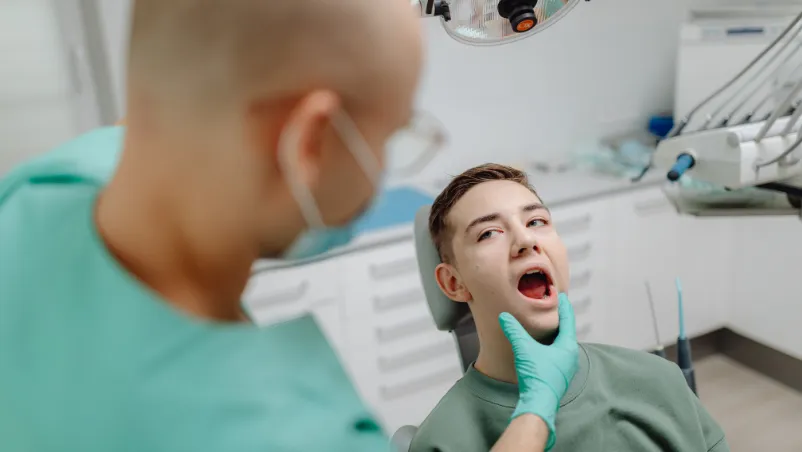
Wisdom teeth removal aftercare plays an important role in healing after an extraction. The first 24 hours are particularly important because a blood clot needs to form in the empty tooth socket and remain undisturbed.
Following your dentist’s instructions, eating soft foods, keeping your mouth clean and avoiding smoking can help support recovery.
If you have recently undergone wisdom tooth removal in Secunderabad, understanding these aftercare steps can help you recognise normal healing and identify complications that need dental attention.
Key Takeaways
- Protect the blood clot in the extraction socket, especially during the first 24 hours.
- Choose soft foods and avoid hard, crunchy, spicy and very hot foods initially.
- Do not smoke, use a straw, rinse vigorously or spit forcefully soon after surgery.
- Mild pain, swelling and jaw stiffness can occur, but symptoms should gradually improve.
- Severe or worsening pain, persistent bleeding, fever, pus or difficulty swallowing needs prompt dental assessment.
Why Shenoy Hospitals
1963
Established Since 1963
Oldest nursing home
in Secunderabad
¼ Cost
corporate hospital bills
1L+
Babies Delivered
Successfully delivered
over 1 lakh babies
What Should You Do After Wisdom Teeth Removal?
After wisdom tooth extraction, follow the instructions provided by your dentist or oral surgeon. The extraction site needs time to form a stable blood clot and begin healing.
The following steps can support recovery:
1. Protect the Blood Clot
A blood clot forms inside the empty tooth socket after extraction. It protects the underlying bone and tissues while the area heals.
- Keep the gauze in place for the period advised by your dentist.
- Apply gentle, firm biting pressure if instructed to control bleeding.
- Avoid touching the extraction site with your tongue or fingers.
- Do not rinse, spit forcefully or use a straw during the first 24 hours unless your dentist advises otherwise.
If bleeding continues despite applying pressure as instructed, contact your dentist.
2. Use a Cold Compress for Swelling
Some swelling around the cheek and jaw is expected after wisdom tooth removal, particularly when the extraction is surgical.
- Apply a cold pack wrapped in a clean cloth to the outside of the cheek.
- Use it for short intervals, with breaks between applications.
- Avoid placing ice directly on your skin.
- Follow your dentist’s advice about when to stop cold compresses.
Swelling may become more noticeable during the first two or three days before gradually improving.
3. Take Prescribed Medicines Correctly
Your dentist may recommend pain-relief medicines or prescribe other medication depending on the extraction and your medical history.
- Follow the prescribed dose and timing.
- Do not take additional painkillers without checking for possible interactions.
- Take antibiotics only if prescribed.
- Complete the prescribed antibiotic course according to your dentist’s instructions.
- Contact your dentist if pain remains severe despite the recommended medication.
Do not start or stop prescribed medicines without appropriate medical advice.
4. Rest After the Procedure
Give your body time to recover, especially during the first day.
- Avoid strenuous exercise and heavy lifting initially.
- Take adequate rest.
- Keep your head slightly elevated when resting if this feels comfortable.
- Resume daily activities gradually as pain and swelling improve.
Your recovery time may be longer if the wisdom tooth was impacted or required a more complex surgical extraction.
5. Keep Your Mouth Clean
Good oral hygiene helps reduce the risk of infection, but the extraction site needs gentle care.
- Avoid brushing directly over the wound during the initial period advised by your dentist.
- Continue cleaning the other teeth carefully.
- After the first 24 hours, gently rinse with warm salt water if advised.
- Avoid forceful swishing or spitting.
- Use a prescribed mouthwash only as directed.
Do not use strong mouthwash or home remedies on the extraction wound without dental advice.
What Foods Can You Eat After Wisdom Tooth Removal?
Your diet should be soft and easy to chew during the initial recovery period. Avoid foods that can irritate the extraction site or become trapped in the socket.
Foods to Eat After Wisdom Tooth Extraction
|
Food category |
Suitable options |
|
Soft meals |
Khichdi, soft rice, well-cooked dal |
|
Dairy foods |
Yoghurt, curd, soft paneer |
|
Fruits |
Mashed banana, stewed apple |
|
Vegetables |
Mashed potato, well-cooked and mashed vegetables |
|
Protein sources |
Scrambled eggs, soft tofu |
|
Fluids |
Water, cooled soup and other non-alcoholic drinks |
Choose foods that do not require much chewing. Let hot foods cool before eating, and chew on the opposite side if comfortable.
Foods to Avoid After Wisdom Tooth Removal
Avoid foods that may disturb the blood clot, irritate the wound or become trapped in the extraction socket.
- Chips and crisps
- Nuts and seeds
- Popcorn
- Hard biscuits and toast
- Sticky sweets and chewing gum
- Very spicy foods
- Very hot drinks and foods
- Hard or chewy meat
- Alcoholic drinks
Avoid using a straw during the initial healing period because suction can disturb the blood clot.
As discomfort improves, gradually return to your normal diet according to your dentist’s instructions.
What Should You Avoid After Wisdom Teeth Removal?
Some activities can interfere with blood clot formation and wound healing.
|
Avoid |
Why it matters |
|
Smoking and tobacco |
Can delay healing and increase the risk of dry socket |
|
Drinking through a straw |
Suction may dislodge the blood clot |
|
Forceful spitting |
May disturb the extraction site |
|
Vigorous mouth rinsing |
Can interfere with early clot formation |
|
Hard or crunchy food |
May irritate the wound or become trapped in the socket |
|
Alcohol |
May interfere with recovery and interact with prescribed medication |
|
Strenuous exercise |
May increase bleeding, pain or swelling during early recovery |
|
Touching the wound |
Can irritate the site and introduce bacteria |
Smoking and vaping should be avoided during recovery. Ask your dentist how long you should avoid them, as the recommended period may depend on the procedure and healing.
How Long Does It Take to Recover After Wisdom Tooth Removal?
Recovery after wisdom tooth extraction varies according to the position of the tooth, complexity of the procedure and individual healing.
The following timeline is a general guide, not a fixed schedule.
|
Recovery period |
What you may experience |
|
First 24 hours |
Blood clot formation, mild bleeding or blood-stained saliva, discomfort |
|
Days 2–3 |
Swelling, jaw stiffness and soreness may be more noticeable |
|
Days 4–7 |
Pain and swelling should generally begin improving |
|
Around 1–2 weeks |
Many people feel considerably better, although some tenderness may remain |
|
Following weeks |
The socket continues to heal beneath the gum surface |
The gum may appear different during healing, and the socket can take longer to fill in completely. Your dentist will advise whether a follow-up examination is required.
What Is Dry Socket After Wisdom Tooth Removal?
Dry socket, also known as alveolar osteitis, is a painful complication that can occur when the blood clot in the extraction socket does not form properly or becomes dislodged before healing is complete.
It commonly develops a few days after extraction.
What Are the Symptoms of Dry Socket?
Watch for these symptoms:
- Severe or throbbing pain around the extraction site
- Pain that increases instead of gradually improving
- Pain spreading towards the ear, temple or jaw
- An unpleasant taste in the mouth
- Bad breath
- An extraction socket that appears empty or has exposed bone
Dry socket is not the same as a routine infection. A dentist can examine the socket, clean it if necessary and apply a suitable medicated dressing to relieve symptoms.
Do not try to clean or treat the socket yourself.
What Are the Warning Signs After Wisdom Teeth Removal?
Some discomfort is expected after extraction, but certain symptoms need prompt dental assessment.
MedlinePlus, the NIH’s patient information service, lists severe swelling or pus, continued pain or excessive bleeding hours after the procedure, and a lost blood clot (dry socket) days later among the problems to report after tooth extraction.
1. Persistent or Heavy Bleeding
A small amount of blood-stained saliva may occur initially. However, bleeding that does not settle after applying pressure as instructed needs attention.
2. Severe or Increasing Pain
Pain should generally start improving over the following days. Severe pain or pain that worsens after initial improvement may indicate dry socket or another complication.
3. Increasing Swelling
Swelling can occur after surgery, but swelling that continues to worsen after the initial few days, especially with fever or increasing pain, should be assessed.
4. Fever or Pus Discharge
Fever, pus, worsening tenderness or an unpleasant taste with other symptoms may indicate an infection.
5. Persistent Numbness or Tingling
Temporary numbness may occur while local anaesthesia is active. However, numbness or tingling of the tongue, lips or chin that persists beyond the expected period should be reported to your dentist or oral surgeon.
6. Difficulty Swallowing or Breathing
Difficulty breathing or swallowing, rapidly increasing swelling or swelling extending towards the neck requires emergency medical attention.
Do not wait for a routine follow-up if you experience these symptoms.
When Can You Brush Your Teeth After Wisdom Tooth Removal?
Difficulty breathing or swallowing, rapidly increasing swelling or swelling extending towards the neck requires emergency medical attention, and the 24/7 emergency department at Shenoy Hospitals is open round the clock. Do not wait for a routine follow-up if you experience these symptoms.
After the first 24 hours, your dentist may recommend gentle salt-water rinses to keep the mouth clean.
Keep these points in mind:
- Use a soft-bristled toothbrush.
- Brush the unaffected teeth carefully.
- Do not poke the socket with the toothbrush.
- Avoid forceful rinsing or spitting.
- Follow any specific instructions about prescribed mouthwash.
Your dentist can advise when it is safe to clean closer to the extraction site.
When Can You Return to Work or Exercise After Wisdom Tooth Removal?
Many people can return to light daily activities within a day or two, but recovery depends on the complexity of the extraction and the type of anaesthesia used.
- Office work: You may be able to return when you feel comfortable and are not affected by pain or medication.
- Physical work: You may need additional rest if your work involves lifting or strenuous activity.
- Exercise: Avoid intense exercise during the initial recovery period and resume gradually when your dentist advises.
- Driving: Do not drive while affected by sedation or general anaesthesia. Follow the specific restrictions given by your treating team.
If your extraction involved general anaesthesia or sedation, follow the discharge instructions about supervision, driving and other activities.
Does Wisdom Tooth Removal Require Follow-Up?
Not everyone needs the same follow-up schedule. Your dentist may recommend a review depending on the complexity of the extraction, whether stitches were placed and how the wound is healing.
A follow-up may help the dentist:
- Check the extraction site.
- Assess pain, swelling and wound healing.
- Review any signs of infection or dry socket.
- Check whether stitches need removal.
- Address persistent numbness or other concerns.
At Shenoy Hospitals, our Dental Surgery department schedules follow-up to check the healing site and remove any non-dissolvable stitches.
Do not skip a recommended review simply because the pain has reduced.
Wisdom Teeth Removal Aftercare in Secunderabad: When to Contact a Dentist
If you have recently undergone wisdom teeth removal in Secunderabad, contact your dentist or oral surgeon if you notice persistent bleeding, severe pain, worsening swelling, fever, pus discharge or numbness that does not improve as expected.
A dental professional can examine the extraction site and determine whether the symptoms are part of normal recovery or require further care.
At Shenoy Hospitals, Secunderabad, our dental surgery team provides postoperative instructions and follow-up reviews after extraction. If you’re unsure what to expect before a procedure, our guide to what to expect at a dental surgery consultation explains the first visit. Call +91 7337277787.
Frequently Asked Questions
1. How many days should I rest after wisdom tooth removal?
Many people need a day or two of rest after a straightforward extraction. A complicated surgical extraction may require more recovery time. Follow your dentist’s advice based on the procedure.
2. Can I drink water immediately after wisdom tooth removal?
Follow your dentist’s instructions about when to start drinking. Once permitted, take small sips of water. Avoid using a straw during the initial healing period.
3. Can I eat rice after wisdom tooth extraction?
Soft, well-cooked rice may be suitable when you can chew comfortably. Avoid dry or loose grains that can become trapped in the socket, and follow your dentist’s dietary advice.
4. When can I brush my teeth after wisdom tooth removal?
You can generally brush the other teeth carefully while avoiding the extraction site during the initial period. Resume gentle cleaning around the area according to your dentist’s instructions.
5. Is swelling normal after wisdom tooth removal?
Yes. Some swelling is common, particularly after surgical extraction. It may be more noticeable during the first two or three days and should gradually improve. Worsening swelling needs assessment.
6. How do I know if I have a dry socket?
Severe or throbbing pain that develops or increases a few days after extraction, sometimes with an unpleasant taste or smell, may indicate dry socket. A dentist needs to examine the socket to confirm it.
7. Can I smoke after wisdom tooth removal?
Smoking and vaping should be avoided during recovery because they can interfere with healing and increase the risk of dry socket. Ask your dentist how long you should avoid them.
8. Can I drink tea or coffee after wisdom tooth extraction?
Avoid very hot drinks during the initial recovery period. Once your dentist permits, you can gradually return to your usual drinks, ensuring they are not too hot.
9. When should I contact my dentist after wisdom tooth removal?
Contact your dentist if you experience persistent bleeding, severe or worsening pain, increasing swelling, fever, pus discharge or ongoing numbness. Difficulty breathing or swallowing requires emergency attention.
10. How long does the wisdom tooth extraction site take to heal completely?
Many people feel substantially better within one to two weeks, but deeper healing of the extraction socket takes longer. The exact time depends on the complexity of the extraction and individual healing.
Conclusion
Proper wisdom teeth removal aftercare helps protect the extraction site and supports healing. Protect the blood clot, eat soft foods, maintain gentle oral hygiene and avoid smoking, straws and vigorous rinsing during the initial recovery period. Mild pain and swelling can be expected, but severe or worsening symptoms should not be ignored. If you have concerns after wisdom tooth extraction in Secunderabad, seek advice from your dentist or oral surgeon.
Medical Disclosure
This article is intended for general educational purposes only. It does not replace consultation, examination, diagnosis or personalised dental advice. Follow the post-operative instructions provided by your treating dentist or oral surgeon, as individual aftercare requirements may differ.
Get in touch

Shenoy Hospitals Clinical Content Team
Shenoy Hospitals, Secunderabad. Our content team prepares and review by specialist Team.
CALL US FOR ANY HELP
GET IN TOUCH ON