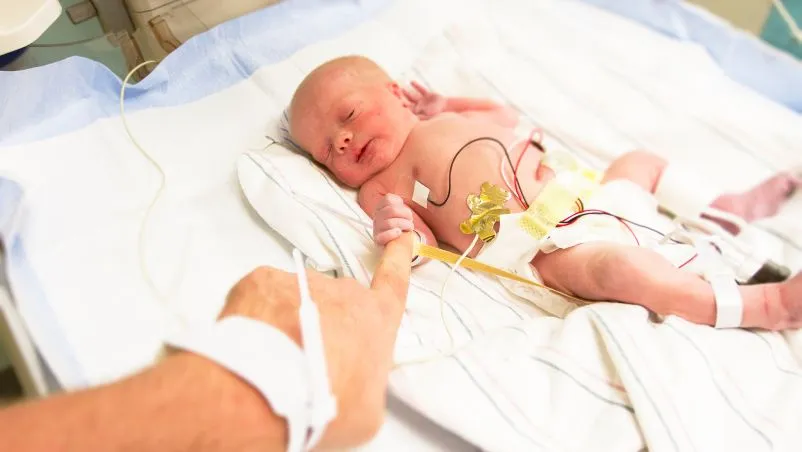
Welcoming a new baby is a joyful occasion, but an early arrival can quickly turn excitement into anxiety. If your baby was born before 37 weeks of pregnancy, you are likely wondering about their future.
Yes, premature babies can face long-term health challenges, but with early intervention and specialised medical support, the vast majority grow up to lead healthy, fulfilling lives.
At Shenoy Hospitals, Secunderabad, our 63 years of experience in neonatal and paediatric care has shown us that expert, compassionate treatment during those crucial early weeks makes a profound difference in a child’s lifelong development.
Key Takeaways
- Premature babies may face distinct physical, cognitive, and emotional health challenges as they grow.
- Early diagnosis, close monitoring, and timely intervention are crucial for improving long-term outcomes.
- Advanced neonatal intensive care units (NICUs) significantly reduce the risk of severe complications.
- Comprehensive support, including expert neonatal care, provides a strong foundation for a premature infant’s recovery and development.
When navigating the complexities of an early birth, families need reassurance, guidance, and access to top-tier medical facilities. Finding the best hospital for premature babies Secunderabad ensures your little one receives the exact level of monitoring and developmental support required to thrive.
Why Shenoy Hospitals
1963
Established Since 1963
Oldest nursing home
in Secunderabad
¼ Cost
corporate hospital bills
1L+
Babies Delivered
Successfully delivered
over 1 lakh babies
What is Premature Birth, and How is it Defined?
A premature birth occurs when a baby is born more than three weeks before their estimated due date. In medical terms, this means birth happens before 37 completed weeks of gestation.
To better understand the specific needs of these infants, healthcare professionals categorise premature births into four stages:
- Late preterm: Born between 34 and 36 weeks of pregnancy.
- Moderately preterm: Born between 32 and 34 weeks of pregnancy.
- Very preterm: Born between 28 and 32 weeks of pregnancy.
- Extremely preterm: Born before 28 weeks of pregnancy.
The earlier a baby arrives, the higher the risk of medical complications. However, the majority of early arrivals fall into the late preterm category, where risks are generally lower and easier to manage — though it’s worth knowing that “premature” and “low birth weight” aren’t always the same thing, a distinction we’ve covered in what actually separates a premature baby from a low birth weight baby.
What Causes Premature Birth?
The exact cause of a premature birth is not always clear. However, certain medical and lifestyle factors can significantly increase the likelihood of an early delivery.
Common causes include maternal health conditions such as high blood pressure, diabetes, or infections during pregnancy. Carrying multiples, like twins or triplets, elderly mothers, also heightens the risk of preterm labour.
Additionally, lifestyle factors, including high stress levels, smoking, or poor nutrition, can play a role. Regular prenatal care remains the most effective way to identify and manage these risks early on.
What Are the Immediate Health Challenges for Premature Babies?
When a baby is born early, their organs have not had enough time to develop fully in the womb. This lack of development leads to several immediate medical challenges right after birth.
Breathing difficulties are common, often caused by respiratory distress syndrome. Because they lack body fat, premature infants also struggle to regulate their own temperature.
Feeding challenges and a highly vulnerable immune system are also major concerns.
A dedicated premature baby specialist in Secunderabad can address these immediate crises using advanced NICU technology to stabilise the infant and prevent further complications — if your baby was born specifically around 34 weeks, we’ve laid out what that NICU stay typically looks like in more detail.
Do Premature Babies Have Long-Term Health Problems?
While many premature babies develop just like their full-term peers, research shows that some do face long-term health problems, a pattern also documented by MedlinePlus, the U.S. National Library of Medicine’s consumer health resource. The severity of these issues usually depends on how early the baby was born.
Neurological and cognitive challenges can emerge as the child grows. These might include learning disabilities, attention deficit hyperactivity disorder (ADHD), neuroplasticity.
Other potential long-term issues include respiratory problems like BPD (Broncho Pulmonary Dysplasia), vision impairments such as retinopathy of prematurity, and mild hearing loss. Some children also experience slower physical growth and minor dental issues.
How Are Long-Term Health Problems Diagnosed and Managed?
Diagnosing long-term health issues requires continuous monitoring long after the baby leaves the hospital. Regular developmental screenings are vital during the first few years of life.
Paediatricians use specialised tests to evaluate vision, hearing, motor skills, and cognitive abilities. If an issue is detected, management relies heavily on a multidisciplinary approach.
This means bringing together neurologists, physical therapists, and speech-language pathologists. Early intervention programmes ensure that any developmental delays are addressed promptly, giving the child the best chance to catch up.
What Treatment Options Are Available for Premature Babies?
Treating premature infants involves a combination of immediate life-saving support and ongoing developmental therapies. In the NICU, treatments often include respiratory support, oxygen therapy, and intravenous nutrition.
Once the baby is stable, the focus shifts to physical, occupational, and speech therapies to support long-term growth. Choosing the right medical centre is critical here. If you are looking for exceptional premature baby care in Secunderabad, our team is fully equipped to handle complex neonatal therapies.
If your baby needs specialised care, we are here to help. Book a consultation from your mobile device and speak to our neonatal experts today. Visit https://shenoyhospitals.com/ to schedule an appointment.
How Can Parents Support Their Premature Baby’s Development?
Parents play a central role in their premature baby’s ongoing development. Following the discharge plan and attending all follow-up appointments is the first crucial step.
Creating a nurturing, quiet, and loving environment at home helps reduce stress for the baby. Skin-to-skin contact, often called kangaroo care, promotes bonding and regulates the baby’s heart rate. And if you want to understand exactly why kangaroo care makes such a measurable difference, we’ve covered the research behind it separately.
Do not hesitate to ask questions during clinic visits. Engaging with therapists and following their guided exercises at home will drastically improve your child’s developmental trajectory.
Can Premature Birth Be Prevented?
While not all early births are preventable, expectant mothers can take specific steps to lower their risk. Consistent prenatal care is the most effective preventative measure available.
Attending all scheduled check-ups allows doctors to monitor maternal health and catch warning signs early. Managing chronic conditions like diabetes or hypertension is critical.
Maintaining a healthy lifestyle, eating a balanced diet, and avoiding harmful substances also protect the developing fetus and support a full-term pregnancy.
What Are the Emotional and Psychological Impacts on Families?
Having a premature baby is an incredibly stressful experience for any family. The uncertainty of the NICU journey often leads to feelings of fear, guilt, and emotional exhaustion for parents.
It is completely normal to feel overwhelmed during this time. Seeking support from hospital counsellors or local parent support groups can provide much-needed relief.
Remember that looking after your own mental well-being is just as important as caring for your newborn. A supported, healthy parent is better equipped to help their baby thrive.
How Does Shenoy Hospitals Support Premature Babies and Their Families?
At Shenoy Hospitals, we provide holistic, family-centred care for our smallest patients. Our advanced Level III NICU is equipped with state-of-the-art life support systems tailored for premature infants.
Our dedicated team includes experienced neonatologists, paediatricians, and specialised nurses who work around the clock. We also provide comprehensive follow-up clinics to monitor your child’s growth for years to come.
We stand by families every step of the way, offering the medical expertise and emotional support required to navigate prematurity with confidence and hope.
Conclusion
The journey of a premature baby requires patience, resilience, and highly specialised medical care. While research highlights potential long-term health risks, modern medicine offers incredible tools to manage and overcome these challenges.
With timely interventions, dedicated specialists, and a supportive family environment, premature babies can achieve remarkable milestones.
Shenoy Hospitals remains committed to providing you with clarity, trust, and exceptional care every step of the way.
Frequently Asked Questions
- What is the survival rate for premature babies?
Survival rates have improved dramatically thanks to modern medical advancements. Babies born after 28 weeks have an exceptionally high survival rate, and even those born earlier have strong outcomes when treated in an advanced NICU. Survival depends upon comorbid conditions and several factors that influence the preterm.
- Can premature babies lead normal lives?
Absolutely. With appropriate medical care, early intervention, and ongoing developmental support, the vast majority of premature babies grow up to lead healthy, active, and completely normal lives.
- What are the signs of developmental delays in premature babies?
Signs can include missing typical milestones like rolling over, sitting up, or babbling at the expected adjusted age. Regular check-ups help identify these delays early so therapies can begin immediately.
- How can I prepare for a premature baby’s arrival?
If you know you are at risk for an early delivery, tour your hospital’s NICU and speak with the neonatology team. Emotionally preparing yourself and understanding the NICU environment can reduce anxiety.
- What support is available for parents of premature babies?
Hospitals often provide access to social workers, psychological counselling, and parent support groups. At Shenoy Hospitals, we offer continuous guidance and resources to help parents cope during and after the NICU stay.
Medical Disclaimer: This blog is for informational purposes only and does not substitute professional medical advice, diagnosis, or treatment. For personalised care and accurate medical assessments, consult our specialists at Shenoy Hospitals, Secunderabad. Visit https://shenoyhospitals.com/ to book an appointment.