
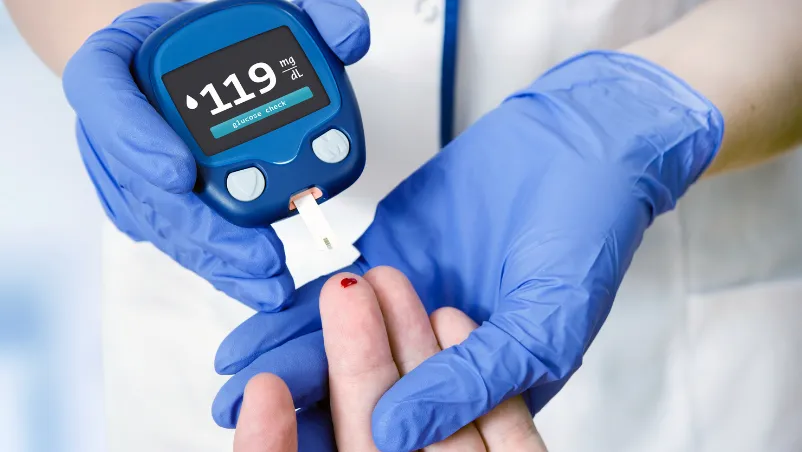
Diabetes and high blood pressure rarely show up alone. Most people managing one are eventually managing both, and juggling separate doctors for each often means duplicate tests, conflicting advice, and medications that don’t get reviewed together.
If you’re looking for diabetes and hypertension management in Secunderabad that treats both as one connected picture instead of two separate files, that’s exactly what this role is built for.
At Shenoy Hospitals, our General Medicine department manages this combination for patients across Secunderabad.
Key Takeaways
- Diabetes and hypertension often occur together and affect each other’s progression
- A general physician manages both conditions as one integrated plan, not two separate ones
- Regular monitoring catches complications early, before symptoms appear
- Medication adjustments happen faster when one doctor sees the full picture
- Specialist referrals happen only when genuinely needed, not as a default
Why Shenoy Hospitals
1963
Established Since 1963
Oldest nursing home
in Secunderabad
¼ Cost
corporate hospital bills
1L+
Babies Delivered
Successfully delivered
over 1 lakh babies
Why Do Diabetes and Hypertension So Often Occur Together?
This overlap answers a question many patients ask directly: is diabetes linked to high blood pressure? Yes, and not just coincidentally.
- High blood sugar damages blood vessels over time, which contributes to rising blood pressure
- Both conditions increase strain on the kidneys and heart, so having both accelerates risk to these organs
- Weight, diet, and activity levels affect both conditions simultaneously, which is why lifestyle changes tend to help both at once
- Treating them in isolation misses how closely connected they actually are
The NIH’s National Institute of Diabetes and Digestive and Kidney Diseases explains in its guide to diabetes, heart disease and stroke that people with diabetes are more likely to have high blood pressure, which in turn strains the heart and can harm the eyes and kidneys.
This connection is exactly why seeing a general physician for diabetes who also tracks your blood pressure tends to produce better outcomes than treating them as separate problems.
What Does It Actually Mean to Manage Both Conditions Together?
This is really the answer to how a general physician helps with diabetes and hypertension: not by treating two files, but one.
- Combined monitoring: blood sugar and blood pressure reviewed at the same visit, not scheduled separately
- One medication list: your physician can see how diabetes and blood pressure medications interact, rather than each doctor prescribing without full visibility
- Shared lifestyle guidance: diet and activity recommendations that address both conditions at once, instead of conflicting advice from two sources
- Coordinated complication screening: kidney function, eye health, and cardiovascular risk assessed together, since both conditions affect the same organs
How Does a General Physician Monitor These Conditions Over Time?
Chronic disease management is less about single visits and more about the pattern across many of them.
- Regular blood sugar control checks, including periodic HbA1c monitoring to track control over the past few months rather than a single day’s reading
- Routine blood pressure management at each visit, tracked over time rather than judged on one reading alone
- Periodic kidney function and cholesterol testing, since both conditions raise risk to these systems
- Adjustments made based on trends, not just isolated numbers, catching a gradual worsening before it becomes a crisis
Our guide to diabetes management in Secunderabad lists the tests, monitoring and costs involved in long-term diabetes care.
How Are Medications Managed When You Have Both Conditions?
This is often where can one doctor manage diabetes and blood pressure together becomes a practical question rather than a theoretical one, and the answer is yes, with real advantages.
- Some medications used for one condition can affect the other, and a physician managing both can account for this directly
- Dosages get reviewed and adjusted as your body changes, rather than staying static for years
- If side effects appear, your physician can distinguish whether it’s from the diabetes medication, the blood pressure medication, or something else entirely
- You avoid the risk of two different doctors prescribing without full knowledge of what the other has already started
What Role Does Lifestyle Guidance Play, and Is It Actually Realistic?
A common question worth answering directly: can diet control diabetes and hypertension without medicine? Sometimes, in early or mild cases, but it depends entirely on individual assessment, not a generic answer.
- Dietary guidance tailored to managing both blood sugar and blood pressure together, not two separate diet sheets
- Realistic activity recommendations based on your current fitness level and any existing complications
- Practical strategies for medication adherence, since managing two chronic conditions often means multiple daily medications
- Ongoing check-ins that adjust guidance as your circumstances change, rather than a one-time lecture at diagnosis
When Does a General Physician Bring in a Specialist?
Most day-to-day management doesn’t need a specialist, but certain situations do call for one.
- Signs of kidney complications may warrant a nephrology consult
- Eye changes linked to long-term diabetes may need an ophthalmology referral
- Cardiovascular symptoms beyond routine risk factors may need cardiology input
Cardiovascular symptoms beyond routine risk factors may need cardiology input, for example breathlessness on exertion, which our guide to getting breathless on stairs explains.
- In each case, your primary care physician coordinates the referral and continues to oversee your overall care, rather than handing you off entirely
At a multi-specialty hospital, this coordination happens directly. Your physician can request a specialist consult within the same facility, with your history and test results already available.
What Does Long-Term Follow-Up Actually Look Like?
Chronic conditions aren’t managed in a single appointment, they’re managed through a relationship that continues over years. This is the core of managing diabetes and hypertension together over the long run, not just at diagnosis.
- Regular follow-up visits, spaced based on how stable your condition is
- Adjustments made gradually as your health, age, or circumstances change
- Early identification of complications, often before you’d notice symptoms yourself
- A physician who remembers your history without you repeating it at every visit
This is where continuity matters most. A physician who has managed your diabetes and hypertension for years reads new symptoms differently than one meeting you for the first time.
If you’re managing diabetes, hypertension, or both, and want a single physician coordinating your chronic disease management in Secunderabad, our General Medicine team at Shenoy Hospitals, Marredpally, Secunderabad, can help. Call 040-41519999 or +91 7337277787 to book a consultation.
Final Thoughts
Diabetes and hypertension are manageable conditions, but they respond better to coordinated care than to two separate treatment plans that don’t talk to each other. A general physician who tracks both together catches problems earlier, adjusts medications more intelligently, and gives you one clear plan instead of conflicting advice. If you’re currently managing either condition without a physician who sees the full picture, that’s usually the first thing worth changing.
FAQs
1.Is diabetes linked to high blood pressure?
Yes, both conditions damage blood vessels and organs in overlapping ways, which is why they so often occur together and why they’re best managed as one connected plan.
2.How often should diabetics get their blood pressure checked?
This varies by individual, but blood pressure is typically checked at every visit for someone managing diabetes, given how closely the two conditions interact.
3.Can diet control diabetes and hypertension without medicine?
In some early or mild cases, yes, but this depends entirely on your specific situation and should be assessed by a physician rather than assumed.
4.Can one doctor really manage both diabetes and hypertension effectively, or do I need two specialists?
Yes, a general physician is trained to manage both together, and referring to specialists only becomes necessary if complications develop.
5.Do diabetes and blood pressure medications ever interact with each other?
Some can, which is exactly why having one physician overseeing both prescriptions matters, they can catch and manage these interactions directly.
6.What complications should I actually be watching for?
Kidney function changes, vision changes, and cardiovascular symptoms are the main areas physicians monitor closely when both conditions are present.
7.How do I know if I need to see a specialist instead of continuing with my general physician?
Your general physician will identify this based on test results or symptoms and coordinate the referral directly, you don’t need to decide this on your own.
8.Will I need to keep seeing my general physician even after starting specialist care?
Yes, your general physician typically continues to oversee your overall care even when a specialist is involved for a specific complication.
9.Is it too late to get both conditions under control if I’ve had them for years without proper management?
It’s rarely too late to improve control, though outcomes depend on your specific situation, which is best assessed through a proper evaluation.
10.Can stress affect both my blood sugar and blood pressure at the same time?
Yes, stress can affect both, which is another reason integrated management, rather than treating each symptom separately, tends to work better long term.
Medical Disclosure
This article is for general informational purposes only and does not constitute medical advice. It is not a substitute for professional diagnosis or treatment. Please consult a qualified physician at Shenoy Hospitals or your own healthcare provider for advice specific to your condition.
Get in touch

Shenoy Hospitals Clinical Content Team
Shenoy Hospitals, Secunderabad. Our content team prepares and review by specialist Team.
CALL US FOR ANY HELP
GET IN TOUCH ON