
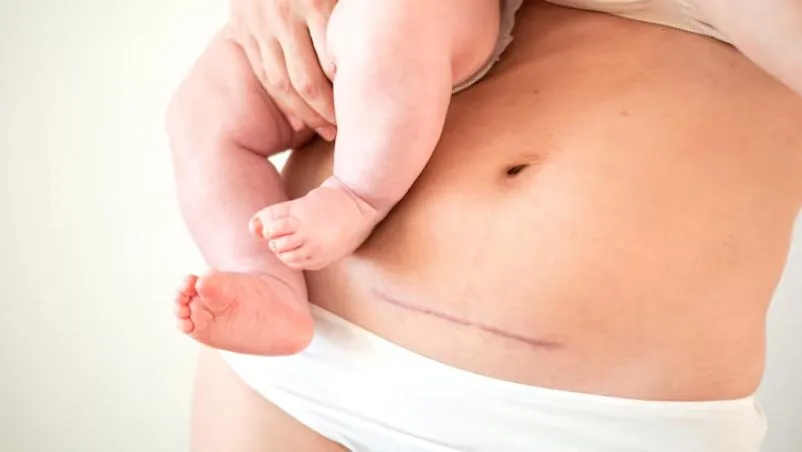
Welcoming a new baby is a beautiful milestone, but the physical recovery can sometimes bring unexpected discomfort, especially if you experience vaginal tearing.
Many mothers wonder about the healing time and proper care for stitches after delivery.
At Shenoy Hospitals, Secunderabad, our decades of clinical experience have shown us that understanding your body’s recovery process significantly reduces anxiety and promotes better healing.
We are here to guide you through every step of your postpartum journey with clarity and compassion.
Key Takeaways
- Dissolving time: Most stitches naturally dissolve within one to two weeks.
- Complete healing: The perineal area usually takes around three to four weeks to fully heal.
- Hygiene matters: Using a peri bottle with warm water helps prevent infection and soothes the area.
- Pain management: Ice packs, warm sitz baths, and prescribed pain relief are highly effective.
- When to call a doctor: Always seek help if you notice severe pain, foul-smelling discharge, or heavy bleeding.
As one of the leading multi speciality hospitals in Secunderabad, we understand that proper postnatal care requires a comprehensive approach.
Healing from childbirth is not just about the physical closure of a wound; it involves adequate rest, nutrition, and emotional support.
Our multidisciplinary team ensures that every mother receives the guidance she needs to navigate this delicate phase comfortably.
Why Might You Need Stitches After Giving Birth?
During a vaginal delivery, the skin and muscle between the vagina and the anus—known as the perineum—must stretch significantly to allow your baby to pass through.
Sometimes, this tissue tears naturally, or your doctor may need to make a small, deliberate cut called an episiotomy. This cut helps widen the opening and can prevent more severe, uncontrolled tearing.
Whether you experience a natural tear or require an episiotomy, stitches are often necessary to repair the tissue, control bleeding, and ensure the muscle heals correctly.
These stitches are almost always dissolvable, meaning you will not need a separate appointment to have them removed.
Why Shenoy Hospitals
1963
Established Since 1963
Oldest nursing home
in Secunderabad
¼ Cost
corporate hospital bills
1L+
Babies Delivered
Successfully delivered
over 1 lakh babies
What Are the Different Degrees of Perineal Tears?
Perineal tears vary in severity, which directly impacts your healing time and the type of care you require.
A first-degree tear is a superficial graze involving only the skin, which often heals quickly without stitches. A second-degree tear extends deeper into the muscle of the perineum and routinely requires stitches to mend.
Less commonly, mothers may experience third- or fourth-degree tears, which extend further down toward or into the anal muscle.
These require more complex repairs and a longer recovery period. Understanding the extent of your tear helps set realistic expectations for your healing journey.
How Long Do Stitches Take to Dissolve and Heal?
Your body is incredibly resilient, and the perineal area has a rich blood supply that encourages rapid healing.
You can expect the stitches to begin dissolving within seven to 14 days. During this time, it is entirely normal to notice small pieces of the stitch material on your sanitary pad or toilet paper.
If you feel persistent discomfort or need tailored advice, consulting a Postpartum care specialist in Secunderabad can provide immense relief.
For families residing near Begumpet and surrounding areas, our facility offers accessible, expert care.
For more information on navigating the emotional side of recovery, see our guide on
What Are the Best Ways to Manage Pain and Support Recovery?
Taking care of your perineal area at home involves simple but highly effective hygiene and comfort measures.
Keep the area clean by gently pouring warm water over your vagina after using the toilet, rather than wiping with dry tissue. This reduces stinging and prevents bacterial infections.
For targeted relief, we recommend applying an ice pack wrapped in a soft cloth to the area for 10 to 15 minutes at a time.
This significantly reduces swelling and numbs the pain. Additionally, soaking in a shallow, warm sitz bath can ease muscle tension and promote blood flow to the area.
When discussing Episiotomy care treatment in Secunderabad, our specialists emphasise the importance of avoiding constipation.
Drink plenty of water and eat high-fibre foods to keep your bowel movements soft. If necessary, your doctor can prescribe a mild stool softener so you do not have to strain, which protects your delicate stitches.
Need expert advice on your postpartum recovery? Book a consultation with our specialists today from your mobile device. Visit to schedule your appointment and ensure your healing is on the right track.
When Should You Seek Immediate Medical Attention?
While most perineal tears heal without complications, it is crucial to remain vigilant for signs of infection or poor healing.
Contact your healthcare provider immediately if your pain suddenly worsens or fails to improve with pain relief.
Other warning signs include a high temperature, foul-smelling vaginal discharge, or noticing that the stitched area looks unusually red, swollen, or is oozing pus.
If you experience difficulty controlling your bowels or pass blood clots larger than a golf ball, seek emergency medical evaluation right away.
How Can Pelvic Floor Exercises Help Your Recovery?
Once your doctor gives you the all-clear, gently starting pelvic floor exercises can greatly benefit your recovery.
Squeezing and releasing the muscles around your vagina and anus increases blood circulation to the perineum, which speeds up the healing of your stitches.
These exercises also help rebuild the muscle strength lost during pregnancy and childbirth, preventing long-term issues like urinary incontinence. Start slowly and never push yourself through sharp pain.
A Supportive Conclusion for Your Healing Journey
Healing from childbirth takes time, patience, and gentle care. Your body has just achieved something remarkable, and it deserves the grace to recover at its own pace.
At Shenoy Hospitals, Secunderabad, we are dedicated to supporting your physical and emotional wellbeing long after your baby arrives.
Trust your instincts, follow proper hygiene practices, and never hesitate to reach out to our team if you need reassurance or medical support.
Frequently Asked Questions
- Why do my stitches feel itchy?
As tissues knit back together and the nerves heal, a mild itching sensation is very common. It is a normal part of the healing process. However, avoid scratching, and ensure you wear breathable, cotton underwear. - Can I use soap to clean my stitches?
It is best to avoid heavily fragranced soaps, shower gels, or bubble baths, as these can irritate the delicate skin and disrupt healing. Plain, warm water is usually sufficient and safest for keeping the area clean. - How soon can I exercise after having stitches?
Light walking is encouraged soon after birth to prevent blood clots, but you should avoid strenuous activities, heavy lifting, or high-impact exercises until your doctor clears you, typically at your six-week postnatal check. - Will my stitches pop if I cough or sneeze?
While it might feel vulnerable, the stitches used are very secure. However, gently supporting your perineum with a clean sanitary pad while coughing, sneezing, or opening your bowels can provide comfort and relieve pressure. - When is it safe to have sex again after an episiotomy?
There is no set timeline, but it is generally recommended to wait until your bleeding has stopped, your stitches have fully healed, and you feel physically and emotionally ready. If sex is painful, consult your doctor.
Medical Disclaimer:
The information provided in this article is for educational purposes only and does not substitute professional medical advice, diagnosis, or treatment. Always seek the advice of your physician or other qualified health providers with any questions you may have regarding a medical condition. If you are experiencing concerning postnatal symptoms, please book a consultation for immediate clinical evaluation.