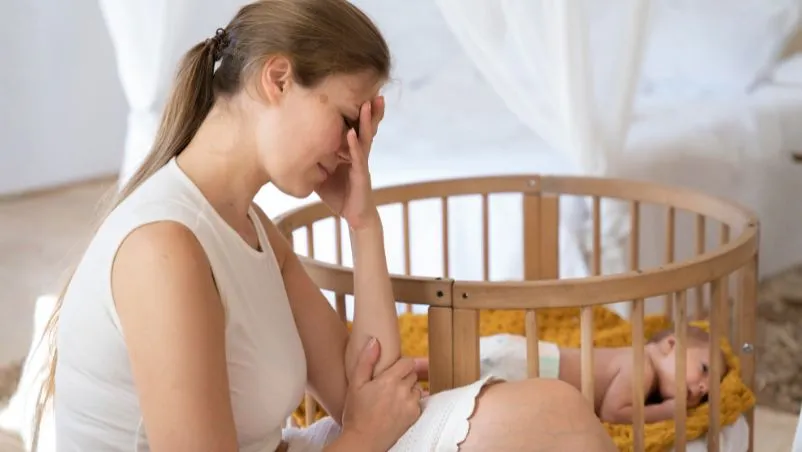
Welcoming a new baby brings a wave of powerful emotions, from immense joy to understandable anxiety.
However, for many new mothers, this period can also bring unexpected and persistent feelings of sadness.
This is more than just the “baby blues”; it could be postpartum depression (PPD), a common and treatable medical condition.
If you are experiencing severe mood swings, difficulty bonding with your baby, or overwhelming sadness that lasts longer than two weeks, you may have postpartum depression, and effective treatments are available to help you recover.
With decades of clinical experience in women’s health, Shenoy Hospitals in Secunderabad is committed to providing compassionate and expert care for new mothers navigating this challenging time.
Key Takeaways
- PPD vs. Baby Blues: The “baby blues” are mild, temporary mood swings lasting up to two weeks. Postpartum depression is more intense, lasts longer, and can interfere with your ability to care for yourself and your baby.
- Common Symptoms: Key signs include persistent sadness, severe mood swings, loss of interest in activities, difficulty bonding with the baby, and feelings of worthlessness or guilt.
- Causes: PPD is caused by a combination of factors, including dramatic hormonal shifts after childbirth, a personal or family history of depression, and emotional stressors like sleep deprivation.
- Treatment is Effective: Treatment options include psychotherapy (talk therapy), medication (antidepressants safe for breastfeeding), and support groups. Prompt treatment is crucial for the well-being of both mother and child.
- You Are Not Alone: PPD is not a sign of weakness. Seeking help is a sign of strength and the first step toward feeling like yourself again.
Navigating the journey of new motherhood is a unique experience for every woman, and our teams at the multi-speciality hospitals in Secunderabad are here to support every aspect of your health, including your emotional well-being.
We believe in a holistic approach to postpartum care, ensuring both you and your baby thrive.
How Can I Tell if I Have Postpartum Depression or Just the “Baby Blues”?
It’s important to understand the difference between the “baby blues” and postpartum depression, as they require different levels of support.
The “Baby Blues”
The “baby blues” affect most new mothers, typically starting two to three days after delivery and resolving on its own within two weeks. Symptoms are generally mild and may include:
- Sudden mood swings and crying spells
- Feeling anxious, sad, or irritable
- A sense of being overwhelmed
- Difficulty sleeping or concentrating
These feelings are a normal part of the hormonal adjustment after childbirth and usually fade as your body recovers.
Postpartum Depression (PPD)
Postpartum depression is a more severe and long-lasting condition. It can begin anytime within the first year after birth, and its symptoms can significantly impact your daily life.
Unlike the baby blues, PPD doesn’t go away on its own. The signs are more intense and persistent, often including:
- A deep, lingering depressed mood or severe mood swings.
- Excessive crying.
- Difficulty bonding with your baby or feeling distant from them.
- Withdrawing from loved ones.
- Intense irritability, anger, or restlessness.
- Feelings of worthlessness, shame, or guilt.
- Overwhelming fatigue and loss of energy.
- Thoughts of harming yourself or your baby.
If your feelings persist beyond two weeks or involve thoughts of harming yourself or your baby, it is crucial to seek professional help immediately. For more comprehensive support, explore our
What Causes Postpartum Depression?
There is no single cause for postpartum depression. Instead, it is understood to result from a combination of physical changes, emotional factors, and genetic predisposition.
- Physical Changes: After childbirth, your body experiences a rapid and dramatic drop in hormones like oestrogen and progesterone. This hormonal shift can trigger mood changes. Hormones from the thyroid gland can also drop, leading to feelings of fatigue and depression.
- Emotional Factors: The demands of caring for a newborn can be overwhelming. Sleep deprivation, anxiety about your ability to be a good mother, and changes in your sense of identity can all contribute to PPD. Stressful life events, relationship difficulties, or lack of a strong support system can also increase your risk.
- Genetic and Personal History: You are at a higher risk of developing PPD if you have a personal or family history of depression or other mood disorders. Having experienced PPD after a previous pregnancy also increases your chances of recurrence.
Why Shenoy Hospitals
1963
Established Since 1963
Oldest nursing home
in Secunderabad
¼ Cost
corporate hospital bills
1L+
Babies Delivered
Successfully delivered
over 1 lakh babies
How is Postpartum Depression Diagnosed?
Diagnosing postpartum depression begins with a conversation with a healthcare provider. At Shenoy Hospitals, we approach this with sensitivity and understanding, ensuring you feel safe and heard.
The diagnostic process typically involves:
- Depression Screening: We use validated screening tools, such as the Edinburgh Postnatal Depression Scale (EPDS), to assess your symptoms. This simple questionnaire helps quantify the severity of your feelings.
- Clinical Discussion: Your doctor will talk with you about your symptoms, feelings, and how they are affecting your life and your relationship with your baby. It is essential to be open and honest during this discussion.
- Ruling Out Other Conditions: Blood tests may be ordered to check for other potential causes of your symptoms, such as an underactive thyroid, which can mimic the signs of depression.
What are the Treatment Options for Postpartum Depression?
Postpartum depression is highly treatable. The goal of treatment is to help you manage your symptoms so you can feel like yourself again and fully enjoy your new baby.
At Shenoy Hospitals, we create a personalised treatment plan that may include one or more of the following approaches for postpartum depression treatment in Secunderabad.
Psychotherapy (Talk Therapy)
Speaking with a psychiatrist, psychologist, or other mental health professional can be incredibly effective.
Cognitive Behavioural Therapy (CBT) and Interpersonal Therapy (IPT) are two types of psychotherapy that can help you develop coping strategies, reframe negative thoughts, and resolve relationship issues that may be contributing to your depression.
Medication
Antidepressants can correct the chemical imbalances in the brain that cause depression.
Selective Serotonin Reuptake Inhibitors (SSRIs) are commonly prescribed and are generally considered safe to use while breastfeeding. Your doctor will discuss the benefits and risks to help you make an informed decision.
Support Groups
Connecting with other mothers who are experiencing similar challenges can reduce feelings of isolation. Sharing your experiences in a supportive, non-judgemental environment can be a powerful part of the healing process.
If you are struggling with your mental health after childbirth, remember that getting help is the most important step you can take for yourself and your family. Our compassionate team, including a leading postpartum depression specialist in Secunderabad, is ready to provide the expert care you need. To discuss your concerns and explore treatment options, you can book an appointment with Shenoy Hospitals.
How Can I Take Care of Myself During Recovery?
While professional treatment is vital, self-care practices can significantly support your recovery and improve your overall well-being.
- Prioritise Rest: Sleep when the baby sleeps. Don’t hesitate to ask your partner, family, or friends for help so you can get the rest you need.
- Nourish Your Body: Eat well-balanced meals and stay hydrated. Avoid the temptation to skip meals, as poor nutrition can worsen mood swings and fatigue.
- Gentle Exercise: Even a short walk outdoors each day can boost your mood. Check with your doctor before starting any new exercise routine after childbirth.
- Connect with Others: Avoid isolating yourself. Make time to talk with your partner, trusted friends, or other new mums.
- Be Patient with Yourself: Recovery takes time. There will be good days and bad days. Acknowledge your progress and be kind to yourself throughout the process.
Conclusion: Your Partner in Postpartum Wellness
Navigating the challenges of new motherhood while dealing with postpartum depression can feel lonely and overwhelming, but it’s a journey you do not have to take by yourself.
At Shenoy Hospitals, Secunderabad, we are dedicated to providing the mothers in our community, including those in nearby areas like Bowenpally, with comprehensive, compassionate care.
Recognising the signs of PPD and seeking help is a courageous first step. With the right support and treatment, you can recover, bond with your baby, and rediscover the joy in this special time of life.
Frequently Asked Questions
- Can postpartum depression affect fathers?
Yes, paternal postpartum depression is real. New fathers can also experience depression, anxiety, and fatigue due to hormonal changes, sleep deprivation, and the stress of a new baby. It is important for partners to support each other and seek help if they notice symptoms.
- How long does postpartum depression last if left untreated?
If not treated, postpartum depression can last for many months or even years. It can develop into a chronic depressive disorder, affecting the mother’s health, her bond with her child, and the child’s long-term development. Prompt treatment is key to a faster recovery.
- Will I have to stop breastfeeding if I take antidepressants?
Not necessarily. Many antidepressants, particularly SSRIs, are considered safe to use during breastfeeding, as only a small amount passes into the breast milk. Your doctor will help you choose the safest medication for you and your baby.
- Can I prevent postpartum depression?
If you have a history of depression or other risk factors, you may be able to reduce your risk. Discuss your history with your doctor during pregnancy. They may recommend proactive measures like counselling, joining a support group, and ensuring a strong support system is in place for after the baby arrives.
- What is the difference between postpartum depression and postpartum psychosis?
Postpartum psychosis is a separate and much rarer condition that is considered a medical emergency. Its symptoms are severe and include hallucinations, delusions, paranoia, and attempts to harm oneself or the baby. It requires immediate hospitalisation and treatment.
Medical Disclaimer:
This content is for informational and educational purposes only. It is not intended to provide medical advice or to take the place of such advice or treatment from a personal physician. All readers/viewers of this content are advised to consult their doctors or qualified health professionals regarding specific health questions. Shenoy Hospitals does not take responsibility for possible health consequences of any person or persons reading or following the information in this educational content. For a personalised diagnosis and treatment plan, please book a consultation with our specialists.