
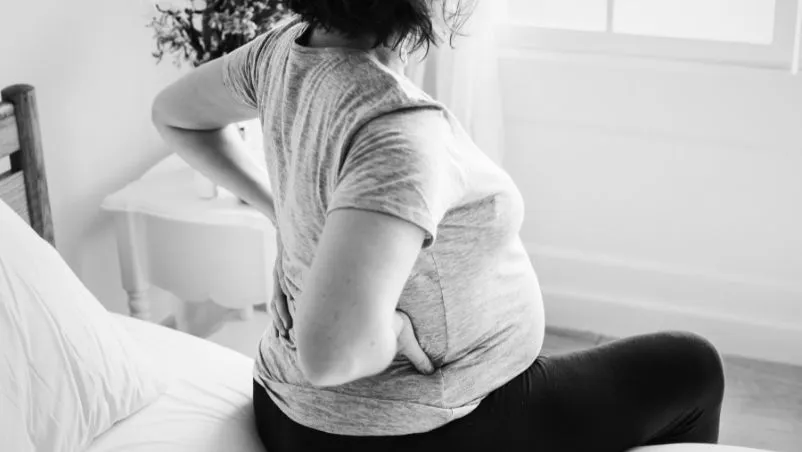
Expecting a baby is an incredibly exciting journey, but the physical changes it brings can sometimes lead to unexpected physical discomfort. If you are finding it difficult to sit, stand, or sleep due to an aching lower back, you are certainly not alone.
Back pain during pregnancy is a very common condition primarily caused by changing hormones, weight gain, and a shifting centre of gravity, but it can be effectively managed with proper posture, gentle exercises, and targeted medical support.
At Shenoy Hospitals, we combine our 63 years of clinical experience with a deeply compassionate approach to help you navigate these physical changes safely, ensuring you remain comfortable and confident as your due date approaches.
Key Takeaways
- Changing hormones naturally relax your pelvic ligaments, which can strain your lower back.
- As your baby grows, your centre of gravity shifts forward, putting extra pressure on your spinal muscles.
- Gentle exercises, proper posture, and maternity support belts can significantly ease daily discomfort.
- Continuous, rhythmic back pain or pain accompanied by fever or bleeding requires immediate medical evaluation.
Why Does Back Pain Happen During Pregnancy?
As your pregnancy progresses, your body undergoes remarkable structural changes to accommodate your growing baby. Your expanding uterus gradually shifts your centre of gravity forward.
To prevent yourself from tipping over, you may unknowingly lean backwards, which places intense, continuous strain on your lower back muscles.
Finding the right care environment is essential to managing this discomfort properly. As one of the multi speciality hospitals in Secunderabad, we look at your overall health to determine the exact root of your backache.
Extra weight is another major factor; your back must suddenly support the additional weight of your baby, the placenta, and increased bodily fluids.
This extra workload means your back and abdominal muscles are working overtime.
Because the abdominal muscles stretch and weaken as your bump grows, your spine loses some of its natural muscular support, often making your back feel worse by the end of the day.
What Role Do Hormones Play in Your Joint Health?
Your body is incredibly intuitive and begins preparing for labour months in advance. One of the ways it does this is by releasing a pregnancy hormone called relaxin.
This hormone allows the ligaments in your pelvic area to relax and your joints to become looser, creating room for your baby to pass through the birth canal.
While this is vital for childbirth, it can have temporary side effects on your posture. When the joints in your lower back and pelvis become too flexible, they lose their usual stability.
This structural looseness can cause a deep ache below the waistline or across the tailbone, especially when you walk, climb stairs, or roll over in bed.
Why Shenoy Hospitals
1963
Established Since 1963
Oldest nursing home
in Secunderabad
¼ Cost
corporate hospital bills
1L+
Babies Delivered
Successfully delivered
over 1 lakh babies
How Can You Relieve Back Pain Safely at Home?
While it may be difficult to prevent back pain entirely, there are several gentle, effective ways to soothe sore muscles at home. Applying a warm compress or a heating pad to your lower back can provide immediate comfort. Always ensure the heat is kept on a low setting and limit its use to 15-minute intervals.
Seeking advice from a qualified pregnancy back pain specialist in Secunderabad can help you discover which physical aids are best for your body. Many expectant mothers find great relief by wearing an abdominal support garment or a maternity pelvic belt.
These bands help lift the weight of your belly, taking a significant amount of pressure off your lower back.
It is also crucial to wear the right footwear. Avoid flat shoes without arch support, as well as high heels that tilt your body further forward. Instead, opt for low-heeled, comfortable trainers that evenly distribute your weight.
What Are the Best Postures and Exercises for Expectant Mothers?
Maintaining good posture is one of the easiest ways to protect your spine. When standing, hold your chest high, keep your shoulders back, and avoid locking your knees.
If you must sit for long periods, tuck a small lumbar pillow behind your lower back and rest your feet on a low stool to prevent your pelvis from tilting incorrectly.
Staying active also plays a vital role in preventing muscle stiffness. Receiving expert
Walking, swimming, and prenatal yoga are excellent ways to strengthen the muscles that support your back and legs without risking injury.
When Should You Visit a Doctor for Pregnancy Backache?
Most back pain during pregnancy is entirely normal and not a cause for alarm. However, there are certain situations where your back pain may be a red flag for a more serious underlying issue, such as a urinary tract infection or the onset of early labour.
To help you understand when to seek urgent care, here is a simple guide comparing normal discomfort with potential warning signs:
| Feature | Normal Pregnancy Back Pain | Potential Preterm Labour or Infection |
| Nature of Pain | A dull, continuous ache that worsens with activity. | Rhythmic, wave-like cramping that comes and goes. |
| Location | Lower back, tailbone, or pelvic area. | Lower back radiating toward the front of the abdomen. |
| Accompanying Symptoms | Muscle stiffness or fatigue. | Fever, vaginal bleeding, or pain when passing urine. |
| Response to Rest | Often improves when you lie down or apply heat. | Continues or intensifies regardless of rest or position changes. |
If you experience severe pain, a sudden loss of sensation in your legs, or any of the warning signs mentioned above, contact your maternity unit immediately.
A Supportive Conclusion for Your Maternity Journey
Experiencing back pain can make the beautiful journey of pregnancy feel exhausting, but you do not have to endure it in silence.
By understanding the causes, adjusting your daily posture, and seeking the right support, you can significantly reduce your discomfort.
At Shenoy Hospitals, we are dedicated to providing you with holistic, compassionate care that prioritises your well-being. We are here to listen, advise, and help you enjoy a healthier, more comfortable pregnancy.
Frequently Asked Questions
- Is it normal for back pain to start in the first trimester?
While back pain is most common in the second and third trimesters due to weight gain, it can certainly start in the first trimester. Early back pain is usually caused by the sudden surge of pregnancy hormones relaxing your ligaments and preparing your pelvis for the months ahead.
- What is the best sleeping position to avoid back pain?
Sleeping on your side, preferably your left side, is the safest and most comfortable position. Keep one or both knees bent and place a supportive pillow between your legs. Placing another small pillow under your bump can also help keep your spine in a neutral alignment.
- Can I take painkillers for my backache while pregnant?
You should always speak to your doctor or midwife before taking any medication. Paracetamol is generally considered safe to use during pregnancy for pain relief, but anti-inflammatory drugs like ibuprofen are usually avoided unless specifically prescribed by your doctor.
- Will a pregnancy massage help my back pain?
Yes, a gentle massage can help relieve muscle tension and promote relaxation. However, it is important to wait until after your first trimester and ensure you visit a certified massage therapist who is specially trained in prenatal massage techniques.
- Will my back pain go away immediately after I give birth?
For most women, back pain gradually improves in the weeks following childbirth as hormone levels return to normal and the abdominal muscles begin to heal. However, it can take a few months for your body to fully recover, especially if you are frequently bending over to lift your new baby.
Medical Disclaimer:
The information provided in this article is for educational purposes only and should not be used as a substitute for professional medical advice, diagnosis, or treatment. Every pregnancy is unique. Please consult a qualified healthcare provider before starting any new exercise routine or using new pain relief methods. Contact Shenoy Hospitals today to book a direct consultation with our maternity and orthopaedic experts.