
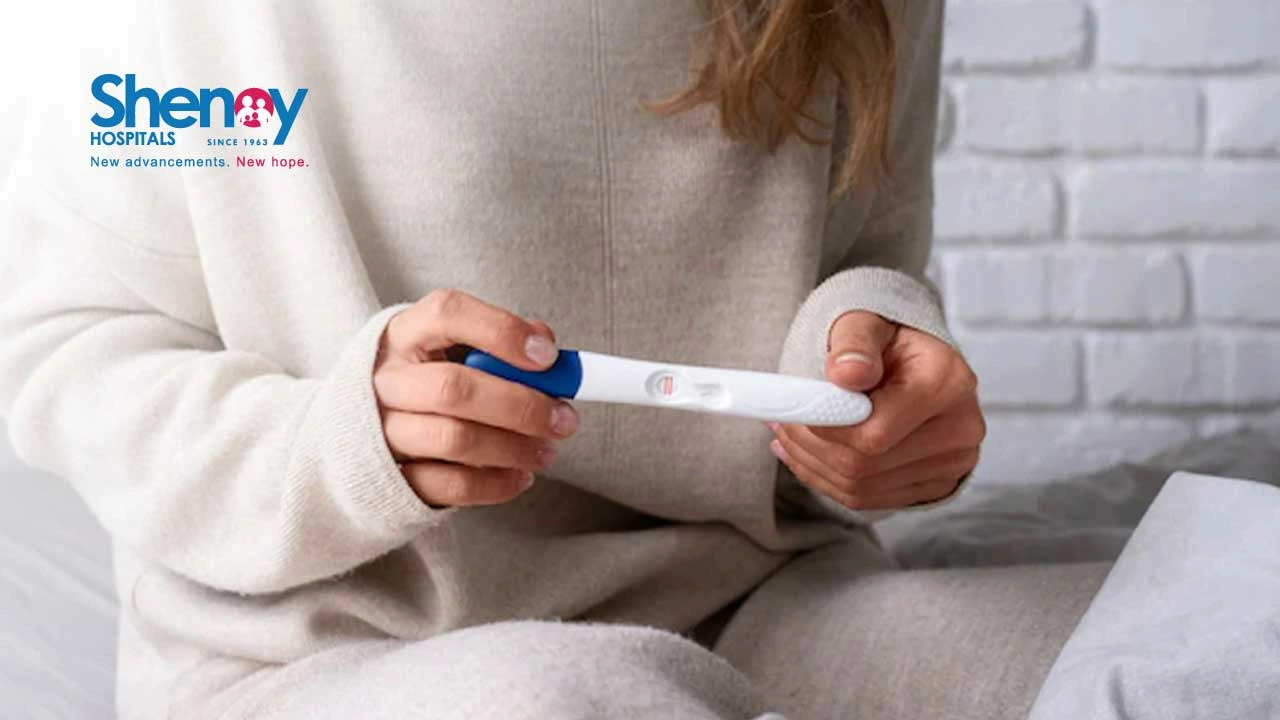
Pregnancy tests are simple yet vital tools for anyone trying to confirm pregnancy. They help you detect whether you’re pregnant by checking for specific markers in your body. Whether you’re actively trying to conceive or wondering about unexpected symptoms, pregnancy tests can offer clarity and peace of mind.
Who should take a pregnancy test? If you’ve missed a period, experience symptoms like nausea or fatigue, or think you may be pregnant, taking a test can provide answers. People who are sexually active and experience changes in their cycle or body should also consider testing.
Key Takeaways: Pregnancy Tests – All You Need to Know
-
Pregnancy tests detect the hormone hCG (human chorionic gonadotropin), which rises after implantation and doubles every 2–3 days in early pregnancy.
-
Urine pregnancy tests are convenient and up to 97–99% accurate when used correctly, while blood tests are more sensitive and can detect pregnancy earlier.
-
The best time to take a pregnancy test is 1–2 days after a missed period, preferably using first-morning urine for higher hCG concentration.
-
Testing too early, using diluted urine, or expired kits can lead to false negative results, while evaporation lines may cause confusion.
-
Digital tests provide clearer results (“pregnant” or “not pregnant”), while strip tests are affordable and equally effective when used properly.
-
If results are unclear or symptoms persist, consult a doctor for a confirmatory blood test and early prenatal guidance.
How Do Pregnancy Tests Work?
Pregnancy tests detect a hormone called HCG (human chorionic gonadotropin). This hormone is produced when a fertilized egg attaches to the lining of the uterus. Levels of hCG rise rapidly during early pregnancy, making it a reliable marker for detection.
Urine vs. Blood Tests
There are two main ways to test for pregnancy:
-
- Urine Tests: These are the most common and can be done at home with over-the-counter pregnancy kits.
- Blood Tests: Conducted at a medical lab, these are more sensitive and provide precise information about hCG levels.
Findings depend on how soon after conception you take the test. Most urine-based tests can detect hCG about 10-14 days after conception, while blood tests can detect it even earlier.
Understanding hCG Levels and Timelines
The detection of hCG depends on how far along you are. Levels double every 2-3 days in early pregnancy, which is why testing too soon after conception might not give accurate results.
Why Shenoy Hospitals
1963
Established Since 1963
Oldest nursing home
in Secunderabad
¼ Cost
corporate hospital bills
1L+
Babies Delivered
Successfully delivered
over 1 lakh babies
Types of Pregnancy Tests – Which One Should You Choose?
1. Urine-Based Pregnancy Tests (Home Pregnancy Tests – HPTs)
Home pregnancy tests are convenient, private, and easy to use. These kits work by detecting hCG in urine. Most home tests can give results within minutes.
How to Use a Home Pregnancy Test
-
- Read the instructions carefully for your specific kit.
- Collect a urine sample (some tests allow you to place the stick directly in the urine stream).
- Wait for the recommended time, usually 3-5 minutes.
- Check the result window for one or two lines, a plus or minus sign, or a digital “pregnant/not pregnant” result.
Best Home Pregnancy Test Brands
Popular choices include Prega News, Clearblue, and First Response. Clearblue offers digital tests for easy reading, while First Response is known for early detection. Compare based on sensitivity, ease of use, and personal preference.
Accuracy of Home Pregnancy Tests
Urine tests claim to be 97-99% accurate when used correctly. However, testing too early, using diluted urine, or expired tests can affect accuracy.
2. Blood Pregnancy Tests (Laboratory Tests)
Blood tests provide more precise results by measuring hCG levels in the blood. These are typically done at a healthcare provider’s office.
Types of Blood Pregnancy Tests
-
- Qualitative hCG Tests: Confirm if hCG is present. They provide a simple yes/no answer to pregnancy.
- Quantitative hCG Tests: Measure the exact level of hCG, helping detect very early pregnancy or assess how far along you are.
Timing and Accuracy
Blood tests can detect pregnancy as early as 6-8 days after ovulation, even before a missed period. They are 99% accurate when performed correctly.
3. Digital Pregnancy Tests vs. Strip Tests – Which Is Better?
-
- Digital Tests: Provide clear results like “pregnant” or “not pregnant.” They’re convenient and leave no room for error in interpretation.
- Strip Tests: Require you to interpret lines, which can sometimes be confusing (e.g., faint or evaporation lines).
Which is better? Digital tests are user-friendly but tend to be more expensive. Strip tests are affordable and effective if used as directed. Both are accurate when used correctly, but digital tests may feel more reassuring for some users.
When Should You Take a Pregnancy Test for Accurate Results?
Timing is everything with pregnancy tests. To avoid inaccurate results, it’s essential to test at the right time.
How Soon After Sex Can You Test?
Pregnancy tests are not immediate. It takes about 6-12 days for implantation to occur and for hCG levels to become detectable. Ideally, wait until 10-14 days after ovulation or the day of your missed period.
Best Time of Day to Test
Morning is best for urine-based tests since your first urine of the day contains the most concentrated levels of hCG.
How Many Days After a Missed Period Should You Test?
For accurate results, test 1-2 days after a missed period. If you test too early, you risk a false negative.
Can You Test Before a Missed Period?
Early detection tests, like First Response Early Result, claim to detect hCG up to 6 days before your missed period. However, the earlier you test, the higher the chance of a false negative.
Best Time to Retest
If you get a negative result but still suspect pregnancy, wait 1-2 days and test again. hCG levels double rapidly, so retesting can confirm pregnancy if you’re still unsure.
If you’re confused by faint lines, false negatives, or irregular cycles, don’t rely on guesswork.
📞 Call Shenoy Hospitals, Secunderabad today to schedule a professional pregnancy confirmation test.
Our experienced gynecologists provide accurate blood tests, early scans, and compassionate guidance for your next steps.
Pregnancy Test Accuracy – How Reliable Are the Results?
While pregnancy tests are reliable, they’re not foolproof. Understanding the potential for false positives and negatives can help you make sense of unexpected results.
Can Pregnancy Tests Give False Positives?
Yes, although it’s rare. Possible reasons include:
- Evaporation Lines: These appear after the test dries and are often mistaken for positives.
- Chemical Pregnancy: A very early miscarriage can cause hCG to rise briefly.
- Fertility Treatments or Medications: Hormones in fertility drugs can interfere with results.
Can Pregnancy Tests Give False Negatives?
Yes, if:
- You test too early (before sufficient hCG has developed).
- You use diluted urine (avoid drinking excessive water before testing).
- The test has expired.
Confirming Pregnancy
If you’re unsure about home test results, consult a doctor for a blood test to confirm pregnancy.
What to Do If You Get a Positive Pregnancy Test?
A positive test is the first step. Here’s what to do next:
-
-
Consult a Doctor: Schedule an appointment at a
maternity care hospital in Secunderabad - Expect Early Symptoms: Nausea, fatigue, and breast tenderness are common signs during the first trimester.
- Begin Prenatal Care: Develop a plan with your doctor, including safe medications and dietary changes. Take a prenatal vitamin with folic acid to support healthy fetal development.
-
Lifestyle Adjustments
-
- Avoid alcohol, smoking, and harmful substances.
- Maintain a balanced diet and stay hydrated.
- Continue light exercise, unless advised otherwise by your doctor.
What to Do If You Get a Negative Pregnancy Test But Still Have Symptoms?
Sometimes, a negative test doesn’t rule out pregnancy. Here’s what might explain this discrepancy:
- Testing Too Early: hCG levels may not be high enough yet to detect.
- Irregular Cycle: If your cycle is irregular, you may have miscalculated your period.
- Test Error: Always check if the kit is expired or used incorrectly.
When to Retest or Consult a Doctor?
- Retest 1-2 days later.
- If symptoms persist and tests are still negative, see a doctor for a blood test or further evaluation.
FAQs
- Can a pregnancy test detect pregnancy at 1 week?
Typically, no. It takes 6-12 days for implantation and sufficient hCG levels to appear.
- Can drinking too much water affect a pregnancy test?
Yes, diluted urine can lower hCG concentration.
- Can you use an expired pregnancy test?
No, expired tests may give unreliable results.
- What are faint lines or evaporation lines?
Faint lines could indicate low hCG levels, while evaporation lines occur when a test dries and doesn’t indicate pregnancy.
- Can a pregnancy test detect miscarriage?
Not directly, but falling hCG levels may suggest a possible miscarriage.
Conclusion
Pregnancy tests are a reliable first step in understanding your reproductive health, but timing and correct usage play a crucial role in accuracy. Whether you’re hoping for a positive result or seeking clarity about unexpected symptoms, early confirmation ensures better planning and peace of mind.
At Shenoy Hospitals, Secunderabad, our expert gynecology team offers precise pregnancy confirmation through advanced blood tests and early ultrasound evaluations. From confirming early pregnancy to starting prenatal care or addressing irregular cycles, we provide personalized care every step of the way.
When it comes to your health, clarity matters — and professional guidance makes all the difference.