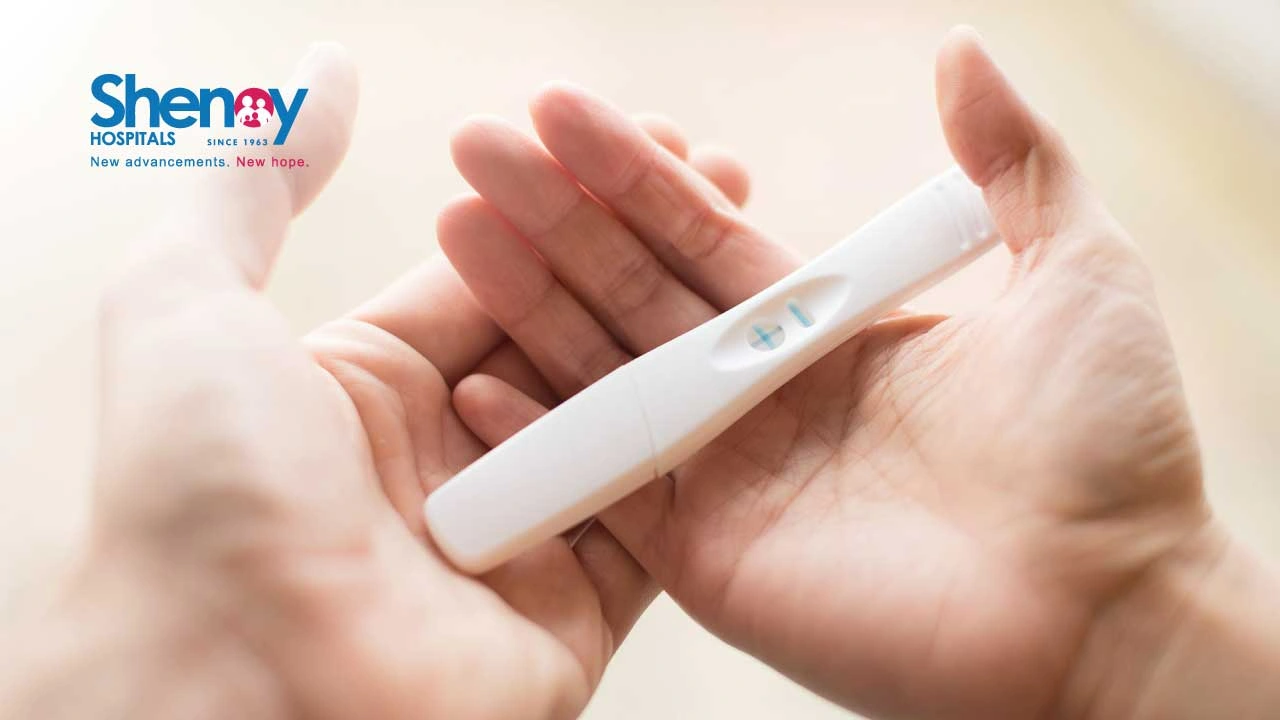
Pregnancy symptoms are the physical and emotional changes a woman might experience when she’s expecting. These changes are your body’s way of responding to a new life growing inside you. However, symptoms can vary greatly from person to person. What one woman feels in her first weeks of pregnancy might look completely different for someone else. Hormonal shifts, overall health, and even stress levels can influence how pregnancy is experienced.
Recognizing early signs of pregnancy is crucial. Early detection helps you get the right medical care and ensures a healthy start for both you and your baby.
Wondering if you might be pregnant? Read on to find out!
Key Takeaways
-
Early pregnancy symptoms can begin before a missed period, including spotting, fatigue, and mild cramping.
-
A missed period, nausea, tender breasts, and frequent urination are common early pregnancy signs.
-
Pregnancy symptoms may feel similar to PMS, PCOS, or perimenopause, so testing is important for confirmation.
-
The best time to take a home pregnancy test is after your missed period, using first-morning urine.
-
Persistent symptoms with negative tests require a doctor consultation and possible blood test.
-
Early medical confirmation ensures timely prenatal care and healthy pregnancy planning.
Very Early Signs of Pregnancy (Before Missed Period)
Many women wonder if pregnancy symptoms can show up before the first missed period. The answer is yes! Here are a few very early indicators to look out for:
-
- Implantation Bleeding & Spotting – Light bleeding or spotting can occur when the fertilized egg attaches to the uterine lining, usually 6-12 days after ovulation.
- Mild Cramping – You might feel mild cramps similar to period pain due to uterine changes.
- Fatigue & Tiredness – Hormonal increases, especially progesterone, can leave you feeling extremely tired.
- Changes in Cervical Mucus – Many women notice thicker or egg-white-like cervical mucus shortly after conception
Why Shenoy Hospitals
1963
Established Since 1963
Oldest nursing home
in Secunderabad
¼ Cost
corporate hospital bills
1L+
Babies Delivered
Successfully delivered
over 1 lakh babies
Early Pregnancy Symptoms (First 4 Weeks)
The first four weeks bring noticeable changes as your body adjusts to pregnancy hormones. Here are the most common signs:
-
- Missed Period
This is often the most obvious sign, especially if your cycles are regular. - Nausea & Morning Sickness
Queasiness, with or without vomiting, can start as early as 2 weeks after conception. - Tender, Swollen Breasts
Rising hormones can make your breasts feel sore or more sensitive. - Frequent Urination
Your kidneys are working overtime to support increased blood flow, which means more trips to the bathroom. - Increased Sense of Smell
Many women report being more sensitive to smells, which can sometimes trigger nausea. - Food Aversions or Cravings
Hormonal changes may make certain foods irresistible while making others unappealing.
- Missed Period
Comparison Table: Pregnancy Symptoms vs. PMS Symptoms
|
Symptom |
Pregnancy |
PMS |
|
Nausea/Vomiting |
Common, especially after 2-3 weeks |
Rare |
|
Breast Tenderness |
More intense, lasts longer |
Occurs just before the period, less severe |
|
Cramping |
Mild, occurs early on during implantation |
Common, stops when period starts |
|
Fatigue |
Constant, feels heavier |
Mild to moderate |
|
Mood Swings |
Linked to rapid hormonal changes |
Common but shorter in duration |
Pregnancy Symptoms Week by Week (First Trimester)
Your experience during the first trimester evolves with each week as your body and baby grow. Here’s a breakdown:
Week 1-2:
Cells are dividing, and conception has taken place. Hormonal changes may begin, but outward symptoms are minimal.
Week 3-4:
Implantation occurs, and hormones like hCG rise. Symptoms like spotting, mild cramps, and fatigue may start.
Week 5-6:
Nausea, mood swings, bloating, and breast tenderness are common as hormone levels climb.
Week 7-8:
Fatigue peaks, breast sensitivity continues, and some women experience dizziness due to vascular changes.
Week 9-12:
Morning sickness can intensify but may start declining by Week 12. Digestive changes, such as constipation and heartburn, are common.
Visual Aid
Infographic idea: A week-by-week timeline of symptoms, showing hormonal shifts and their effects on the body (use visuals like arrows for timelines and icons for symptoms).
If you’re experiencing early pregnancy signs like missed periods, nausea, or unusual fatigue and aren’t sure what they mean, don’t delay clarity.
📞 Call Shenoy Hospitals, Secunderabad today to schedule a pregnancy confirmation consultation.
Our experienced gynecologists offer accurate pregnancy testing, ultrasound scans, and compassionate prenatal guidance to help you take the next step confidently.
Less Common Pregnancy Symptoms
Not every pregnancy follows the same pattern, and some women experience less typical signs:
-
- Metallic Taste in Mouth
Hormonal changes might leave you with a strange metallic taste. - Nosebleeds & Gum Sensitivity
Increased blood volume affects your nasal and gum tissues. - Acne or Skin Changes
Hormonal fluctuations can lead to breakouts or glowing skin. - Changes in Vaginal Discharge
Thick, milky discharge might occur as the cervix creates a protective mucus plug. - Increased Basal Body Temperature
A higher-than-average basal temperature lasting for more than two weeks could suggest pregnancy.
- Metallic Taste in Mouth
When to Take a Pregnancy Test?
Timing is crucial for accurate test results.
-
- Ideal Testing Time
Take a test on the first day of your missed period or a few days after. Some sensitive tests detect pregnancy earlier. - Home Pregnancy Test vs. Blood Test
Home tests detect HCG in urine, but blood tests are more accurate. - False Negatives & Positives
Testing too early or using a diluted urine sample can lead to false negatives. Rare conditions or recent miscarriages might cause false positives.
- Ideal Testing Time
If you suspect you’re pregnant, taking a test at the right time is crucial.
Signs of Pregnancy vs. Other Conditions
Pregnancy symptoms sometimes overlap with other health issues, so understanding key differences can help:
Pregnancy vs. PMS
Pregnancy symptoms last longer and can be more intense (e.g., nausea, fatigue). PMS usually resolves once your period starts.
Pregnancy vs. PCOS
PCOS symptoms, such as irregular periods, can mimic early pregnancy. Testing is necessary to confirm.
Pregnancy vs. Perimenopause
Both involve hormonal shifts but look out for classic pregnancy signs like tender breasts and nausea.
Comparison Chart
|
Condition |
Key Symptoms |
|
Pregnancy |
Nausea, missed period, positive test |
|
PMS |
Breast tenderness, cramping before period |
|
PCOS |
Irregular cycles, excessive hair growth |
|
Perimenopause |
Hot flashes, night sweats |
When to See a Doctor?
- Signs That Require Immediate Care Heavy bleeding, severe pain, or dizziness could signal complications like ectopic pregnancy.
- Confirming Pregnancy An ultrasound confirms pregnancy and rules out issues like ectopic pregnancy.
-
Starting Prenatal Care: Early intervention is vital. If you are looking for a trusted
maternity care hospital in Secunderabad
FAQs
1. What are the signs of an unhealthy pregnancy?
Severe bleeding, intense cramps, fever, or no fetal movement in later weeks are warning signs.
2. Can stress cause pregnancy-like symptoms?
Yes, severe stress can disrupt your cycle and create symptoms like nausea or fatigue. However, it’s not the same as being pregnant.
3. Are headaches a sign of pregnancy?
Yes, hormonal shifts and increased blood flow can cause headaches, especially in early pregnancy.
4. When is the best time to take a pregnancy test?
You’ll get more accurate results if you wait until your period is at least a day late. For early detection, try testing a week after ovulation. Blood tests are even more precise.
5. How soon do pregnancy symptoms start?
Some women notice symptoms as early as a few days after conception, while others may not feel different until they’ve missed their period.
6. Can you feel pregnancy symptoms before a missed period?
Yes, some women experience signs like mild cramping, spotting, or fatigue even before they’ve missed a period. However, these symptoms can also be linked to other conditions, such as PMS.
Conclusion
Pregnancy symptoms can vary from woman to woman, but recognizing the early signs helps you take control of your health at the right time.
Whether it’s a missed period, nausea, fatigue, or unusual changes in your body, timely testing and medical guidance are essential for a healthy start.
At Shenoy Hospitals, Secunderabad, our expert gynecology team provides accurate pregnancy confirmation through advanced blood tests and ultrasound scans. We ensure compassionate, confidential care while guiding you through the next steps of prenatal planning.
Early detection leads to safer outcomes — for both mother and baby.