
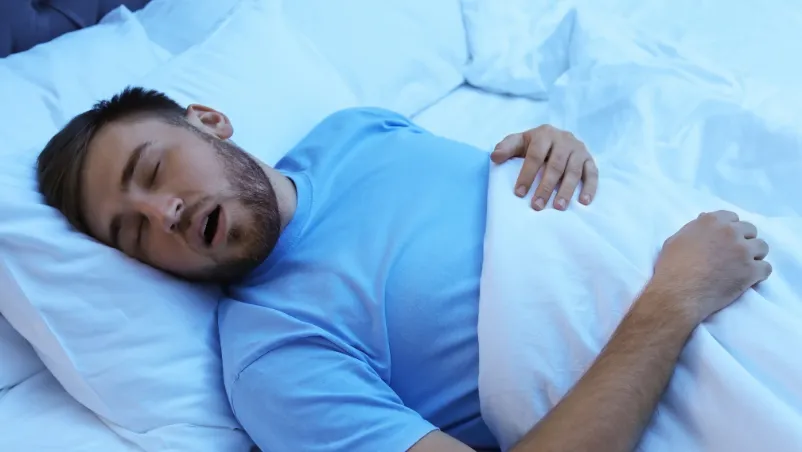
A noisy night can be frustrating, especially when your partner notices that you sometimes stop breathing between snores.
Recognising the signs of sleep apnea can help you understand when snoring may need medical assessment rather than simple lifestyle changes.
Shenoy Hospitals provides ENT and respiratory care to help patients understand breathing-related concerns and explore appropriate assessment options.
Key Takeaways
- Snoring doesn’t always mean you have sleep apnea, but persistent loud snoring deserves attention when other symptoms are present.
- Pauses in breathing, gasping, and choking during sleep are important warning signs.
- Daytime tiredness, morning headaches, and poor concentration may indicate disturbed sleep.
- A doctor may recommend a sleep study to confirm or rule out sleep apnea.
- Treatment depends on the cause and severity of the condition.
- Persistent snoring in children should also be assessed.
- Lifestyle changes may help, but they don’t replace prescribed treatment when sleep apnea is diagnosed.
Why Shenoy Hospitals
1963
Established Since 1963
Oldest nursing home
in Secunderabad
¼ Cost
corporate hospital bills
1L+
Babies Delivered
Successfully delivered
over 1 lakh babies
What is the difference between ordinary snoring and sleep apnea?
| Feature | Ordinary Snoring | Sleep Apnea |
| What happens? | Airflow causes the tissues in the throat to vibrate, producing sound during sleep. | Breathing repeatedly stops or becomes shallow during sleep because the airway narrows or becomes blocked. |
| Breathing pattern | Breathing usually continues regularly despite the noise. | Breathing may pause repeatedly, followed by gasping, choking or snorting. |
| Sound | Usually produces a regular snoring sound. | Snoring may be loud and interrupted by silent pauses or sudden gasps. |
| Sleep quality | May disturb the snorer’s sleep or a bed partner’s sleep. | Often causes disrupted sleep, even if the person does not fully wake up or remember it. |
| Daytime symptoms | May occur without daytime symptoms. | May cause daytime sleepiness, fatigue, poor concentration or morning headaches. |
| Health concerns | Not always a sign of an underlying medical condition. | Untreated obstructive sleep apnea is associated with an increased risk of high blood pressure, heart problems and other complications. |
| Diagnosis | Assessment may be needed if snoring is persistent, severe or accompanied by other symptoms. | A doctor may recommend a sleep study to confirm the diagnosis and assess its severity. |
| Treatment | May improve with sleeping-position changes, avoiding alcohol before bedtime or addressing nasal blockage. | Treatment may include lifestyle changes, a CPAP machine, oral appliances or selected surgical procedures, depending on the cause and severity. |
When should you seek medical advice? If snoring is accompanied by observed pauses in breathing, choking or gasping during sleep, or persistent daytime sleepiness, consult a doctor. Loud snoring alone cannot confirm sleep apnea, and not everyone with sleep apnea snores.
- How can you tell if snoring is sleep apnea?
The most concerning clue is a pattern of snoring interrupted by breathing pauses, gasping, or choking. A bed partner may notice these episodes before the affected person does.
Our senior ENT specialist, Dr. M. Naveen Kumar ,DLO, DNB (ENT) explains common symptoms indicative of sleep apnea:
- Loud, frequent snoring at night.
- Waking with a dry mouth or headache.
- Feeling unrefreshed after what seemed like a full night’s sleep.
- Unusual daytime tiredness or difficulty concentrating.
These symptoms can have other causes, so they cannot confirm a diagnosis by themselves.
What symptoms suggest that snoring may be a breathing problem?
Snoring accompanied by interrupted breathing or excessive daytime sleepiness should be evaluated by a healthcare professional.
Symptoms often occur during sleep, which makes them easy to miss. Someone who shares your bedroom may be able to describe what happens.
The NIH’s National Heart, Lung, and Blood Institute lists similar signs, including breathing that starts and stops, loud snoring, gasping and daytime sleepiness, in its overview of sleep apnea symptoms.
Common warning signs include:
- Breathing pauses during sleep, followed by a snort or gasp.
- Repeated waking or restless sleep.
- Morning headaches or a dry mouth.
- Daytime sleepiness, irritability, or trouble focusing.
- Waking suddenly with a sensation of choking or struggling for air.
Some people with sleep apnea don’t feel particularly sleepy during the day. The absence of daytime sleepiness does not rule out the condition.
- What should your partner look out for?
If someone has noticed unusual breathing during your sleep, ask them to describe what they have seen.
Useful details include whether the snoring happens every night, whether breathing appears to stop, and whether you gasp or change position suddenly. These observations can help your doctor decide whether further testing is needed.
What causes snoring and sleep apnea?
Both conditions can involve a narrowed upper airway, but sleep apnea causes repeated interruptions in normal breathing.
Several factors can contribute:
- Relaxed throat muscles: During sleep, the tissues supporting the airway become more relaxed and may narrow the passage.
- Excess weight: Fat around the neck and upper airway can increase the likelihood of obstruction in some people.
- Nasal blockage: Allergies, congestion, or structural problems in the nose may make breathing more difficult.
- Alcohol and sedating medicines: These can worsen airway narrowing in some people. Discuss prescribed medicines with your doctor rather than stopping them yourself.
- Airway anatomy and age: The size and shape of the jaw, throat, and tonsils can affect airflow.
- Can you have sleep apnea without being overweight?
Yes. Sleep apnea can occur in people who are not overweight. Jaw structure, airway anatomy, enlarged tonsils, age, and other factors may contribute.
Body weight is only one part of the assessment. A person with a healthy body weight should not ignore repeated breathing pauses or other concerning symptoms.
When should you worry about snoring?
Seek medical assessment if snoring is persistent, affects sleep quality, or occurs alongside gasping, observed breathing pauses, or daytime sleepiness.
Occasional snoring during a cold may improve when nasal congestion settles. Persistent symptoms need a closer look, particularly when someone else has noticed changes in your breathing.
You should arrange an assessment if:
- Your partner repeatedly notices that you stop breathing.
- You wake up choking or gasping.
- You regularly feel sleepy despite allowing enough time for sleep.
- Snoring continues to disturb your sleep or your partner’s sleep.
- You have high blood pressure or other health conditions alongside suspected sleep apnea.
Untreated sleep apnea is associated with high blood pressure and an increased risk of certain cardiovascular and metabolic problems. If you also notice breathlessness on exertion, our guide to getting breathless on stairs and when it is a warning sign explains what to check.
If you feel drowsy while driving, stop driving and arrange a safe alternative. Severe difficulty breathing while awake, blue or grey lips, or chest pain with significant breathing difficulty requires emergency medical attention.
- Can children have sleep apnea?
Yes. Children can develop sleep apnea, often in association with enlarged tonsils or adenoids, which are tissues at the back of the nose and throat.
Persistent snoring, restless sleep, gasping, mouth breathing, or unusual daytime behaviour should be discussed with a pediatrician or ENT specialist. Children may show irritability or attention difficulties rather than obvious sleepiness.
Regular snoring in a child should not automatically be dismissed as normal.
The NIH explains how sleep apnea is diagnosed in children, including the role of a sleep study and a look at the tonsils, in its guide to sleep apnea in children.”
How do doctors diagnose sleep apnea?
Doctors assess your symptoms, medical history, and airway before deciding whether a sleep study is needed.
The evaluation may include questions about snoring, daytime alertness, medicines, alcohol use, existing health conditions, and observations from a bed partner.
The doctor may examine your nose, mouth, throat, and jaw to look for possible reasons for airway narrowing.
- What happens during a sleep study?
A sleep study records information about your breathing while you sleep. Depending on the test, it may measure airflow, breathing effort, oxygen levels, heart rate, and other signals.
Two common approaches are:
- Overnight laboratory testing: Sensors monitor different body functions while you sleep in a sleep facility.
- Home sleep testing: A suitable patient may be given a portable device to record selected breathing measurements at home.
Home testing is not suitable for everyone and may miss some cases. If a home test is negative or inconclusive despite ongoing suspicion, your doctor may recommend a more comprehensive study.
The results help establish whether sleep apnea is present and assess its severity. Your doctor interprets the findings alongside your symptoms and medical history.
What treatment options are available for snoring and sleep apnea?
Treatment depends on whether the problem is ordinary snoring, confirmed sleep apnea, or an underlying nasal or throat condition.
For uncomplicated snoring, a doctor may recommend measures that address the cause. If sleep apnea is confirmed, treatment aims to keep the airway open and reduce interruptions in breathing.
Options may include:
- Lifestyle changes: Weight management when appropriate, side sleeping, and avoiding alcohol near bedtime.
- Continuous positive airway pressure (CPAP): A machine delivers pressurised air through a mask to help keep the airway open during sleep.
- Oral appliances: A dentist-fitted device may move the lower jaw forward to improve airflow in selected patients.
- Treatment for nasal obstruction: Appropriate treatment may help when nasal congestion or a structural problem contributes to symptoms.
- Surgery: Selected patients may benefit from surgery when examination identifies an anatomical problem that can be treated.
Not every patient needs the same treatment. A doctor should explain the expected benefits, limitations, and possible risks of each option.
Is snoring treatment enough if you have sleep apnea?
Treatment that reduces the sound of snoring does not necessarily correct the breathing interruptions caused by sleep apnea.
Nasal strips, sprays, mouth devices, and positional aids may help some forms of snoring, but their usefulness depends on the cause. They should not be relied on to treat suspected sleep apnea without appropriate assessment.
If you have been prescribed CPAP or another treatment, don’t stop using it simply because your snoring improves. Discuss any discomfort or difficulty with your treating clinician.
Can lifestyle changes reduce snoring?
Yes, certain lifestyle changes can reduce snoring and may help manage sleep apnea, but they are not a substitute for necessary treatment.
Practical steps include:
- Try sleeping on your side if snoring is worse when you lie on your back.
- If you are overweight, discuss a sustainable weight-management plan with your healthcare professional.
- Avoid alcohol close to bedtime, especially if it worsens your symptoms.
- Avoid smoking and seek support if you want to quit.
- Keep a regular sleep schedule and allow enough time for rest.
- Seek advice about persistent nasal congestion rather than relying on repeated self-treatment.
Sleeping on your side may reduce snoring in some people, but it cannot be assumed to stop sleep apnea. If breathing pauses continue, medical assessment remains important.
Can snoring affect your health, mood, and daily life?
Persistent snoring can disrupt sleep for both the person snoring and their partner, while untreated sleep apnea can affect alertness and overall health.
Repeated breathing interruptions may fragment sleep, even when the person doesn’t remember waking up. This can contribute to fatigue, irritability, concentration difficulties, and reduced performance at work or school.
A partner may also experience poor sleep, frustration, or concern about observed breathing pauses. Discussing these observations calmly can help the affected person seek appropriate care without blame.
Sleep apnea is associated with conditions such as high blood pressure, type 2 diabetes (see our guide to diabetes management in Secunderabad), and cardiovascular disease. These associations do not mean every person who snores will develop these problems.
The practical goal is to identify whether a sleep-related breathing disorder is present and manage it appropriately.
Where can you seek assessment for persistent snoring?
Shenoy Hospitals has ENT and pulmonology departments in Secunderabad that can help assess relevant nose, throat, and respiratory concerns. The appropriate evaluation and treatment depend on your symptoms, medical history, examination findings, and whether sleep testing is indicated.
Conclusion
Snoring is common, but repeated pauses in breathing, gasping, choking, or persistent daytime tiredness should not be ignored. The sound alone cannot tell you whether sleep apnea is present.
If you or your partner have noticed these warning signs, an appropriate medical assessment can help clarify the cause and identify suitable next steps. Early recognition can help you make informed decisions about your sleep and health.
Frequently Asked Questions
- Can you have sleep apnea without snoring?
Yes. Although snoring is common in obstructive sleep apnea, some affected people do not snore noticeably. Other symptoms or risk factors may still warrant assessment.
- Can sleep apnea happen without being overweight?
Yes. Airway anatomy, jaw structure, enlarged tonsils, age, and other factors can contribute, even in people who are not overweight.
- Will sleeping on my side stop sleep apnea?
Not necessarily. Side sleeping may help some people whose symptoms worsen on their backs, but persistent sleep apnea may require specific treatment.
- Can snoring be caused by nasal allergies?
Yes. Allergies can cause nasal swelling and congestion, which may contribute to snoring. Persistent symptoms should be assessed to identify the cause and suitable treatment.
- Can sleep apnea occur in young adults?
Yes. Sleep apnea can affect young adults as well as older people. Symptoms, airway anatomy, family history, and other risk factors help guide assessment.
- Is a home sleep test as accurate as an overnight laboratory study?
Not in every situation. Home testing can be useful for selected patients, but it measures fewer signals and may miss some cases. A doctor may recommend laboratory testing when appropriate.
- Can alcohol make snoring worse?
Yes. Alcohol can relax the muscles that support the airway and worsen snoring or sleep apnea in some people, particularly when consumed near bedtime.
- Can children have sleep apnea?
Yes. Enlarged tonsils or adenoids are common contributing factors in children. Persistent snoring, gasping, restless sleep, or behavioural changes should be discussed with a paediatrician or ENT specialist.
- Does everyone with sleep apnea need a CPAP machine?
No. CPAP is an established treatment, but the appropriate approach depends on the diagnosis, severity, symptoms, and individual circumstances. Selected patients may be considered for oral appliances or other treatments.
- Can treating sleep apnea improve daytime tiredness?
Treatment can improve daytime alertness in many people when sleep apnea is contributing to their tiredness. The degree of improvement varies, and other causes of fatigue may also need evaluation.
Medical disclosure:
This article is for general educational purposes only. It does not replace an individual medical consultation, physical examination, diagnosis, or personalised treatment plan.
Get in touch

Shenoy Hospitals Clinical Content Team
Shenoy Hospitals, Secunderabad. Our content team prepares and review by specialist Team.
CALL US FOR ANY HELP
GET IN TOUCH ON