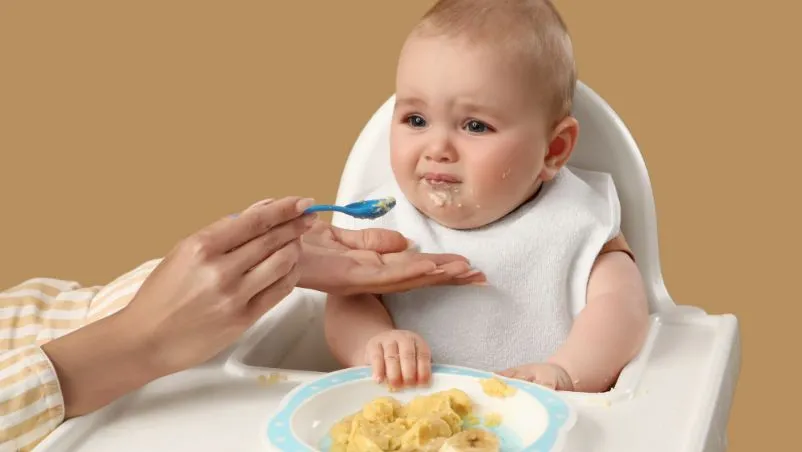
Watching your baby grow is a magical journey, and reaching the milestone of eating solid foods is an exciting step for every parent. How do you know when your baby is truly ready for their first bite?
At Shenoy Hospitals in Secunderabad, we have 63 years of experience guiding families through these vital early stages with expert, compassionate care.
We understand that transitioning to solids can bring up many questions, especially about the right age, food choices, portions, and possible allergies.
Our team, including an experienced child nutritionist in Secunderabad, provides clear, medically backed guidance to help you introduce solids safely and support your little one’s healthy growth and development.
Key Takeaways
- Timing: Babies typically show developmental readiness for solid foods around 6 months of age.
- Signs of Readiness: Look for physical milestones like sitting up independently, good head control, and an active interest in your meals.
- First Foods: Always start with single-ingredient purees and gradually expand their palate to monitor for allergies.
- Expert Guidance: Consulting a paediatric expert ensures a safe, stress-free, and nutritionally balanced transition.
Why Shenoy Hospitals
1963
Established Since 1963
Oldest nursing home
in Secunderabad
¼ Cost
corporate hospital bills
1L+
Babies Delivered
Successfully delivered
over 1 lakh babies
What Are the Signs That Your Baby Is Ready for Solid Foods?
Every baby develops at their own pace, so age is not the only factor to consider. You must observe their physical and developmental milestones to ensure safe swallowing and digestion.
Your baby is likely ready when they can sit up in a high chair with minimal support and maintain steady head and neck control.
Another critical sign is the loss of the tongue-thrust reflex, meaning they no longer automatically push food out of their mouth.
You will also notice them showing a strong interest in the food you eat, often leaning forward or reaching for your plate — a sign that milk feeding alone is starting to fall short of their growing needs, which is also why the long-term benefits of breastfeeding for both mother and child are worth understanding as this transition begins.
When Is the Right Time to Start Solid Foods?
Leading global health guidelines recommend introducing solid foods when your baby is around 6 months old, a timeline also confirmed by MedlinePlus, the U.S. National Library of Medicine’s infant nutrition guidance. At this stage, their digestive system is mature enough to handle foods other than breast milk or formula.
Introducing solids before 4 months is generally not advised, as it can increase the risk of choking and food allergies.
If you are unsure about the timing, visiting the best child nutrition hospital Secunderabad can give you the personalised reassurance and guidance you need.
What Foods Should You Introduce First?
Starting with the right foods helps your baby adjust to new textures and flavours smoothly. Single-ingredient purees are the best starting point.
Excellent first choices include pureed vegetables like sweet potatoes or carrots, mashed fruits like bananas or apples, and iron-fortified infant cereals.
Introduce just one new food at a time. Wait three to five days before introducing another new item, which allows you to monitor for any signs of an allergic reaction.
How Should You Introduce Solid Foods to Your Baby?
The introduction process should be slow, gentle, and positive. Begin by offering just a teaspoon or two of smooth, pureed food after a milk feed.
Never force your baby to eat if they turn their head away or close their mouth. Eating solids is a new skill that takes practice.
If you find the process overwhelming, a baby solid food specialist in Secunderabad can help you establish a healthy feeding routine tailored to your child’s needs.
What Are the Potential Risks and How Can You Prevent Them?
Safety is the top priority when introducing new foods. Choking and allergic reactions are the two primary concerns parents face during this transition.
To prevent choking, ensure all foods are mashed or pureed to a very smooth consistency initially. Avoid hard, round, or sticky foods like whole grapes, nuts, or popcorn.
To manage allergy risks, introduce common allergens like eggs or peanut purees cautiously and always supervise your baby closely during every meal.
Need expert guidance for your baby’s nutritional milestones?
Book a consultation with our compassionate paediatric specialists today. Visit Shenoy Hospitals to schedule your appointment and ensure your baby gets the healthiest start to solid foods.
How Can You Support Your Baby’s Nutritional Needs During This Transition?
It is important to remember that solid foods complement, rather than replace, milk feeds during the first year.
Breast milk or infant formula remains your baby’s primary source of hydration and nutrition until they reach 12 months — and if you’re still weighing breast milk against formula for this stage, what paediatricians actually say about the two is worth a read.
Around 6 months, babies begin to deplete the iron stores they were born with. Focusing on iron-rich foods, such as fortified cereals and pureed lentils, is crucial for their cognitive and physical development.
What Should You Do If Your Baby Faces Challenges With Solid Foods?
It is entirely normal for babies to reject new flavours, spit out food, or gag slightly as they learn to move textured items around their mouth. Gagging is a natural reflex and differs from choking.
Stay patient and continue to offer rejected foods on different days; it can take several attempts for a baby to accept a new taste.
If your baby consistently refuses solids or experiences severe distress, seeking professional infant solid food introduction treatment can help identify and resolve any underlying feeding difficulties.
How Can Shenoy Hospitals Help With Infant Solid Food Introduction?
Transitioning to solids is a major developmental leap, and you do not have to navigate it alone. Our dedicated paediatric team in Secunderabad offers comprehensive nutritional assessments and feeding guidance.
We work closely with parents to create customised feeding plans that support healthy growth.
From evaluating readiness to managing food allergies, we provide holistic care designed around your family’s unique needs.
Conclusion
Starting solid foods is a wonderful adventure that sets the foundation for your child’s lifelong relationship with nutrition.
By watching for signs of readiness, starting slowly, and prioritising safety, you can make mealtimes a joyful bonding experience.
At Shenoy Hospitals, we are committed to empowering parents with the knowledge and clinical support they need.
We stand by our promise to deliver exceptional, patient-first care for your little one at every stage of their development.
Frequently Asked Questions
- What should I do if my baby gags while eating solid foods?
Gagging is a normal, protective reflex that helps babies prevent choking as they learn to manage different textures. Stay calm and observe; if they are coughing and making noise, they are handling it. - Can I give my baby water when they start eating solids?
Yes, once your baby begins eating solid foods around 6 months, you can offer small sips of water from a cup during meals. This helps prevent constipation, but milk should still be their primary liquid. - Is it safe to add salt or sugar to make the food taste better?
No, you should never add salt or sugar to your baby’s food. A baby’s kidneys cannot process excess salt, and sugar can lead to early tooth decay and unhealthy dietary preferences. - How do I know if my baby is full?
Babies communicate fullness by turning their heads away, closing their mouths, pushing the spoon away, or losing interest in the meal. Always respect their cues and never force them to finish a portion. - Are commercial baby food pouches safe to use every day?
While convenient, commercial pouches should not replace freshly prepared meals entirely. Relying solely on pouches can prevent babies from learning to chew properly and limit their exposure to varied textures.
Medical Disclaimer: The information provided in this article is for educational purposes only and does not substitute for professional medical advice, diagnosis, or treatment. Always consult with a qualified healthcare provider or paediatrician regarding any medical concerns or before making significant changes to your child’s diet.